Order Hemiptera
True Bugs
InsectBest Season: Jun–Oct
Best locations
0
Expert creators
0
Field Reports (12 months)
0
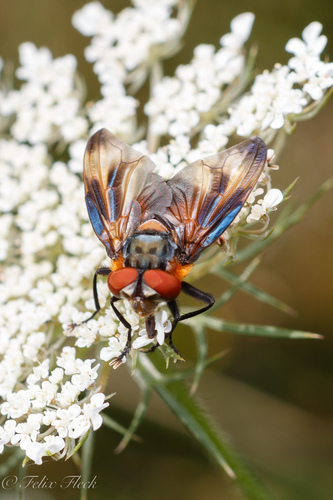
(c) Felix Fleck, some rights reserved (CC BY-NC), uploaded by Felix Fleck
About this species
True bugs (order Hemiptera) — shield bugs, assassin bugs, water striders and their relatives — are a hugely diverse and underexplored group in India, unified by their distinctive piercing-sucking mouthparts and, in many species, spectacular colour and pattern. Guide to India's true bugs (Hemiptera): shield bugs, assassin bugs and water striders — habitat, behaviour, best season and macro photography tips.
Behavior
Assassin bugs are patient ambush predators, some species disguising themselves with debris or plant sap on their backs; water striders exploit water surface tension to walk on ponds, detecting prey through surface ripples. Many shield bugs release a pungent defensive odour when disturbed, giving the group its "stink bug" nickname.
Diet
Varies widely by family — most shield and stink bugs feed on plant sap, assassin bugs are predatory on other insects (a few species specialise in blood-feeding), and water striders and water bugs prey on insects trapped at or below the water surface.
Field Reports
0 total reports
Seen one? Be the first to report it
No field reports have been logged for True Bugs yet. If you're a wildlife creator, log what you've seen — or browse sightings from other species.
Best locations for True Bugs
Reserves and landscapes where our photographers reliably encounter this species, with links to place-specific guides.
Location pages coming soon for this species
We're still linking every hotspot to its species guide. Browse the full location catalog or search for an experience in the meantime.
Wildlife Creators Specialising in True Bugs
View allNo one's claimed this species yet
Be the first expert here — if you're a wildlife photographer or guide who specialises in True Bugs, join as a creator.
Upcoming Trips Targeting True Bugs
No trips targeting this species yet
No trips are currently built around True Bugs. Browse every active trip, or ask a guide directly through search.
When and Where to Photograph True Bugs
Check the surface of calm ponds and slow streams for water striders, and the underside of leaves for shield bug egg clusters and nymphs, which are often more approachable and photogenic than the fast-moving adults.
Plan field days around Jun–Oct: light is often strongest at dawn and dusk, when many mammals and birds are most active. Work with a naturalist who knows local movement patterns — they will position you ethically while improving your odds of a encounter in key reserves across India.