Order Odonata
Dragonflies & Damselflies
InsectBest Season: Jul–Oct
Best locations
0
Expert creators
1
Field Reports (12 months)
0
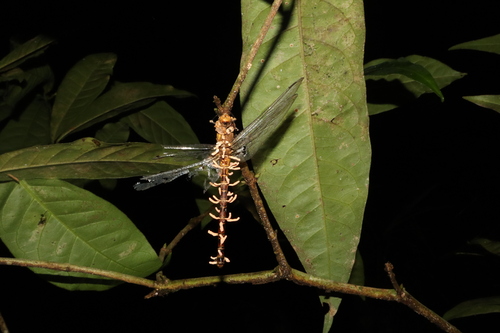
(c) Dani Alcantara, all rights reserved, uploaded by Dani Alcantara
About this species
Among the most ancient fliers, India's dragonflies and damselflies (order Odonata) are also among the best indicators of healthy freshwater ecosystems — their larvae need clean, well-oxygenated water, so a stream or pond rich in Odonata diversity is usually a stream worth protecting. Guide to India's dragonflies and damselflies (Odonata): habitat, behaviour, best season and top freshwater locations for Odonata photography.
Behavior
Highly territorial as adults, with males often patrolling and defending a stretch of water's edge; both groups are visual hunters, taking prey on the wing (dragonflies) or gleaning it from vegetation (damselflies). Many species show a sharp seasonal emergence tied to the monsoon.
Diet
Exclusively predatory at every life stage — aquatic larvae (nymphs) take mosquito larvae and other invertebrates underwater, while adults catch flying insects, including mosquitoes, on the wing.
Field Reports
0 total reports
Seen one? Be the first to report it
No field reports have been logged for Dragonflies & Damselflies yet. If you're a wildlife creator, log what you've seen — or browse sightings from other species.
Best locations for Dragonflies & Damselflies
Reserves and landscapes where our photographers reliably encounter this species, with links to place-specific guides.
Location pages coming soon for this species
We're still linking every hotspot to its species guide. Browse the full location catalog or search for an experience in the meantime.
Wildlife Creators Specialising in Dragonflies & Damselflies
View all
Upcoming Trips Targeting Dragonflies & Damselflies
No trips targeting this species yet
No trips are currently built around Dragonflies & Damselflies. Browse every active trip, or ask a guide directly through search.
When and Where to Photograph Dragonflies & Damselflies
The post-monsoon window (July–October) brings the highest diversity and activity, when water bodies are full and newly emerged adults are abundant. Early morning is best, before the day heats up and territorial adults become too fast and wary to approach closely.
Plan field days around Jul–Oct: light is often strongest at dawn and dusk, when many mammals and birds are most active. Work with a naturalist who knows local movement patterns — they will position you ethically while improving your odds of a encounter in key reserves across India.