Order Hymenoptera
Ants, Bees & Wasps
InsectBest Season: Jun–Oct
Best locations
0
Expert creators
0
Field Reports (12 months)
0
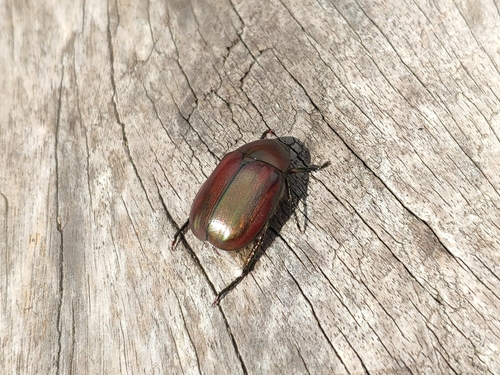
(c) Ivan Leshukov, all rights reserved, uploaded by Ivan Leshukov
About this species
Ants, bees and wasps (order Hymenoptera) are among India's most ecologically important insects — pollinators, predators of crop pests, and, in the case of ants, dominant architects of soil and forest-floor ecosystems. India hosts giant honey bees, weaver ants, paper wasps, and thousands of lesser-known solitary bees and parasitic wasps. Guide to India's ants, bees and wasps (Hymenoptera): giant honey bee cliffs, weaver ant colonies, paper wasp nests, best season and where to photograph them.
Behavior
Highly social ants and bees live in coordinated colonies with complex division of labour, while most wasp and bee species in India are actually solitary, provisioning individual nest cells. Giant honey bees (Apis dorsata) build exposed, guarded combs on cliffs and tall trees and defend them aggressively en masse.
Diet
Ants range from generalist scavengers and seed-harvesters to specialist predators (army ants); bees feed on nectar and pollen; wasps are largely predatory or parasitic on other insects, making them key natural pest control.
Field Reports
0 total reports
Seen one? Be the first to report it
No field reports have been logged for Ants, Bees & Wasps yet. If you're a wildlife creator, log what you've seen — or browse sightings from other species.
Best locations for Ants, Bees & Wasps
Reserves and landscapes where our photographers reliably encounter this species, with links to place-specific guides.
Location pages coming soon for this species
We're still linking every hotspot to its species guide. Browse the full location catalog or search for an experience in the meantime.
Wildlife Creators Specialising in Ants, Bees & Wasps
View allNo one's claimed this species yet
Be the first expert here — if you're a wildlife photographer or guide who specialises in Ants, Bees & Wasps, join as a creator.
Upcoming Trips Targeting Ants, Bees & Wasps
No trips targeting this species yet
No trips are currently built around Ants, Bees & Wasps. Browse every active trip, or ask a guide directly through search.
When and Where to Photograph Ants, Bees & Wasps
Macro photographers do best in the first two hours after sunrise, when insects are sluggish with dew and easier to approach. Weaver ant colonies (stitched leaf nests) and paper wasp nests are easy to find on forest-edge foliage; giant honey bee combs on cliffs need a long lens and respectful distance — do not approach an active comb.
Plan field days around Jun–Oct: light is often strongest at dawn and dusk, when many mammals and birds are most active. Work with a naturalist who knows local movement patterns — they will position you ethically while improving your odds of a encounter in key reserves across India.