Order Diptera
Flies & Mosquitoes
InsectBest Season: Jun–Oct
Best locations
0
Expert creators
0
Field Reports (12 months)
0
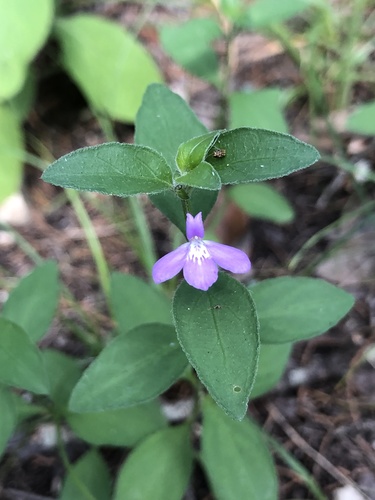
(c) Misti, all rights reserved, uploaded by Misti
About this species
Often overlooked or actively swatted away, India's flies and mosquitoes (order Diptera) include some of the most important pollinators and most visually striking macro subjects in the insect world — from iridescent long-legged flies to bee-mimicking hoverflies. Guide to India's flies (Diptera): hoverflies, robber flies and long-legged flies — habitat, behaviour, best season and macro photography tips.
Behavior
Many hoverflies are Batesian mimics of bees and wasps, gaining protection from predators without the sting; robber flies are ambush predators that launch from a fixed perch to snatch prey mid-air, often returning to the same twig repeatedly, which makes them surprisingly easy to photograph.
Diet
Highly varied — hoverfly adults feed on nectar and pollen (making them important pollinators) while their larvae are voracious aphid predators; robber flies are exclusively predatory on other insects; mosquito larvae filter-feed on organic matter in water.
Field Reports
0 total reports
Seen one? Be the first to report it
No field reports have been logged for Flies & Mosquitoes yet. If you're a wildlife creator, log what you've seen — or browse sightings from other species.
Best locations for Flies & Mosquitoes
Reserves and landscapes where our photographers reliably encounter this species, with links to place-specific guides.
Location pages coming soon for this species
We're still linking every hotspot to its species guide. Browse the full location catalog or search for an experience in the meantime.
Wildlife Creators Specialising in Flies & Mosquitoes
View allNo one's claimed this species yet
Be the first expert here — if you're a wildlife photographer or guide who specialises in Flies & Mosquitoes, join as a creator.
Upcoming Trips Targeting Flies & Mosquitoes
No trips targeting this species yet
No trips are currently built around Flies & Mosquitoes. Browse every active trip, or ask a guide directly through search.
When and Where to Photograph Flies & Mosquitoes
Find a robber fly's favourite perch and simply wait — they tend to return to it after every hunting sortie, giving repeated chances at the same shot. Flowering shrubs in full sun are the most reliable spot for hoverfly diversity.
Plan field days around Jun–Oct: light is often strongest at dawn and dusk, when many mammals and birds are most active. Work with a naturalist who knows local movement patterns — they will position you ethically while improving your odds of a encounter in key reserves across India.