Order Orthoptera
Grasshoppers & Crickets
InsectBest Season: Jul–Oct
Best locations
0
Expert creators
0
Field Reports (12 months)
0
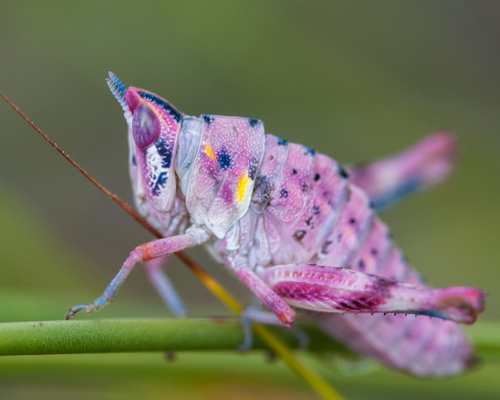
(c) magriet b, some rights reserved (CC BY-SA), uploaded by magriet b
About this species
Grasshoppers and crickets (order Orthoptera) are the iconic soundscape of Indian forests and grasslands after dusk, and among the most rewarding macro subjects for their extraordinary camouflage — from leaf-mimicking katydids to bark-coloured grasshoppers virtually invisible at rest. Guide to India's grasshoppers and crickets (Orthoptera): katydids, crickets and locusts — habitat, behaviour, best season and camouflage photography tips.
Behavior
Best known for their calls — males produce species-specific songs by stridulation (rubbing wing or leg parts together) to attract mates, making a night forest walk as much an auditory as a visual experience. Camouflage is extreme in katydids, many of which mimic living or dead leaves down to fake leaf-veins and chew marks.
Diet
Mostly herbivorous, feeding on grasses and foliage; some katydids are omnivorous or predatory, taking smaller insects opportunistically.
Field Reports
0 total reports
Seen one? Be the first to report it
No field reports have been logged for Grasshoppers & Crickets yet. If you're a wildlife creator, log what you've seen — or browse sightings from other species.
Best locations for Grasshoppers & Crickets
Reserves and landscapes where our photographers reliably encounter this species, with links to place-specific guides.
Location pages coming soon for this species
We're still linking every hotspot to its species guide. Browse the full location catalog or search for an experience in the meantime.
Wildlife Creators Specialising in Grasshoppers & Crickets
View allNo one's claimed this species yet
Be the first expert here — if you're a wildlife photographer or guide who specialises in Grasshoppers & Crickets, join as a creator.
Upcoming Trips Targeting Grasshoppers & Crickets
No trips targeting this species yet
No trips are currently built around Grasshoppers & Crickets. Browse every active trip, or ask a guide directly through search.
When and Where to Photograph Grasshoppers & Crickets
Follow the calls — a persistent, repetitive chirp at night usually leads directly to a calling male if you move slowly with a torch. Daytime searching rewards a very slow, methodical scan of foliage rather than walking briskly, since most species rely entirely on staying still and unnoticed.
Plan field days around Jul–Oct: light is often strongest at dawn and dusk, when many mammals and birds are most active. Work with a naturalist who knows local movement patterns — they will position you ethically while improving your odds of a encounter in key reserves across India.