Class Arachnida
Arachnids & Spiders
InsectBest Season: Jun–Nov
Best locations
0
Expert creators
1
Field Reports (12 months)
0
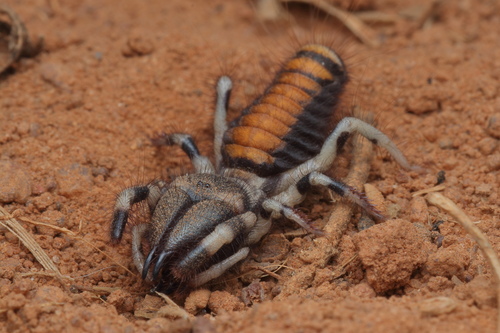
(c) harshithjv, some rights reserved (CC BY-NC-SA), uploaded by harshithjv
About this species
Arachnids — spiders, scorpions, tailless whip scorpions and harvestmen — are a hugely underappreciated group across India's forests, scrub, and even cities. From jewelled jumping spiders to giant wood spiders and forest scorpions, they reward the same close, patient looking that makes insect macro photography rewarding. Guide to India's arachnids: jumping spiders, giant wood spiders, scorpions and whip scorpions — habitat, behaviour, best season and where to find them for macro photography.
Behavior
Mostly solitary and nocturnal or crepuscular — a torch with a red filter or a UV flashlight (scorpions fluoresce vividly under UV) makes night walks the most productive way to find them. Jumping spiders are a striking daytime exception, active and visually alert hunters.
Diet
Almost entirely predatory — other invertebrates are taken by ambush, web, or active pursuit depending on the group; larger scorpions and whip spiders will also take small vertebrates opportunistically.
Field Reports
0 total reports
Seen one? Be the first to report it
No field reports have been logged for Arachnids & Spiders yet. If you're a wildlife creator, log what you've seen — or browse sightings from other species.
Best locations for Arachnids & Spiders
Reserves and landscapes where our photographers reliably encounter this species, with links to place-specific guides.
Location pages coming soon for this species
We're still linking every hotspot to its species guide. Browse the full location catalog or search for an experience in the meantime.
Wildlife Creators Specialising in Arachnids & Spiders
View all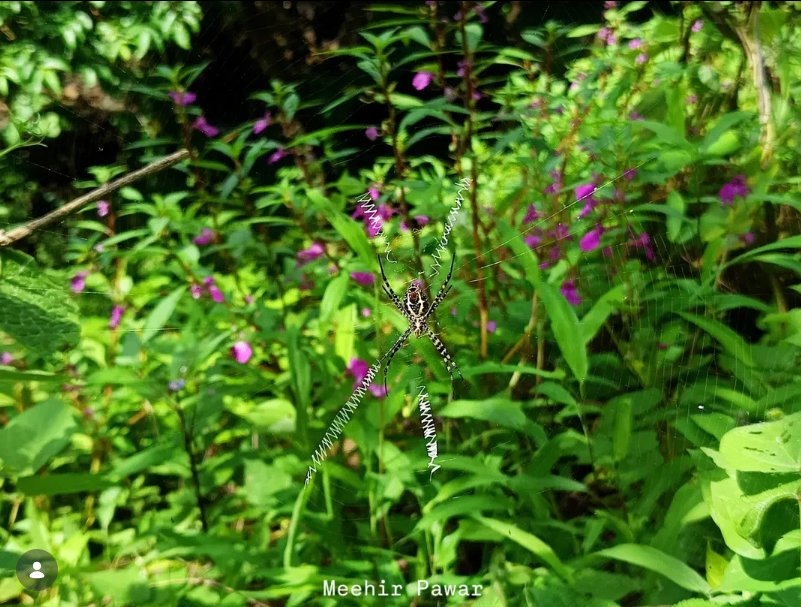
Upcoming Trips Targeting Arachnids & Spiders
No trips targeting this species yet
No trips are currently built around Arachnids & Spiders. Browse every active trip, or ask a guide directly through search.
When and Where to Photograph Arachnids & Spiders
A guided night walk with a UV torch is the single best way to find scorpions, which glow bright blue-green under ultraviolet light even when invisible otherwise. Daytime macro work rewards checking bark crevices, leaf litter, and the underside of leaves rather than open ground.
Plan field days around Jun–Nov: light is often strongest at dawn and dusk, when many mammals and birds are most active. Work with a naturalist who knows local movement patterns — they will position you ethically while improving your odds of a encounter in key reserves across India.