Order Lepidoptera (Moths)
Moths
InsectBest Season: Jun–Oct
Best locations
0
Expert creators
0
Field Reports (12 months)
0
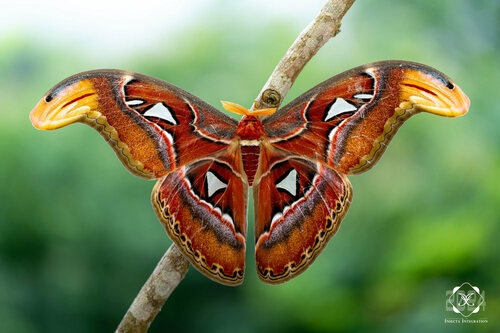
About this species
India's moth diversity is vast and largely undocumented — a genuine frontier for serious naturalists — spanning the giant, patterned silk moths (Saturniidae) like the Atlas moth, one of the largest insects in the world by wing area, to thousands of smaller, intricately marked species drawn to light after dark. Guide to India's moths: giant silk moths, hawk moths and light-sheet macro photography — habitat, behaviour, best season and where to find them.
Behavior
Overwhelmingly nocturnal, navigating and finding mates by scent (pheromones) and, notoriously, disoriented by artificial light. A light sheet — a plain white sheet lit by a UV or mercury-vapour lamp — set up after dusk is the standard way to see dozens of species in a single night.
Diet
Adults of many large silk moths (Saturniidae) do not feed at all, living only long enough to mate; other families feed on nectar, tree sap, and even fruit juice.
Field Reports
0 total reports
Seen one? Be the first to report it
No field reports have been logged for Moths yet. If you're a wildlife creator, log what you've seen — or browse sightings from other species.
Best locations for Moths
Reserves and landscapes where our photographers reliably encounter this species, with links to place-specific guides.
Location pages coming soon for this species
We're still linking every hotspot to its species guide. Browse the full location catalog or search for an experience in the meantime.
Wildlife Creators Specialising in Moths
View allNo one's claimed this species yet
Be the first expert here — if you're a wildlife photographer or guide who specialises in Moths, join as a creator.
Upcoming Trips Targeting Moths
No trips targeting this species yet
No trips are currently built around Moths. Browse every active trip, or ask a guide directly through search.
When and Where to Photograph Moths
Run a light sheet at a forest lodge on a warm, humid, moonless night for the best diversity — moonlight competes with the lamp and reduces turnout. Arrive within the first two hours after dusk, when activity peaks, and check the sheet's surroundings on the ground as well, since not every moth lands directly on the lit sheet.
Plan field days around Jun–Oct: light is often strongest at dawn and dusk, when many mammals and birds are most active. Work with a naturalist who knows local movement patterns — they will position you ethically while improving your odds of a encounter in key reserves across India.