Rhinoceros unicornis
Greater One-Horned Rhinoceros
MammalBest Season: Jan–Dec
Best locations
4
Expert creators
0
Field Reports (12 months)
0
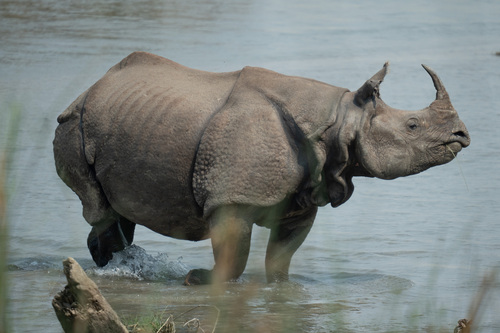
(c) nonext(공인인증서), some rights reserved (CC BY-NC), uploaded by nonext(공인인증서)
About this species
The Greater One-Horned Rhinoceros is a conservation success story — brought back from near-extinction to over 3,500 individuals, primarily in Assam. Kaziranga's floodplains provide ideal habitat and the highest density of rhinos anywhere in the world. Elephant-back safaris and jeep drives offer memorable close-up encounters. See Greater One-Horned Rhinoceros in Kaziranga and Assam's wildlife sanctuaries. Safari guides, conservation updates, and photography tips.
Behavior
Solitary except for mothers with calves. Grazes mainly at dawn and dusk, wallowing in mud through the heat of midday. Can charge if surprised at close range, especially a mother with a calf.
Diet
Grasses, herbs, fruit, and aquatic plants, grazed and browsed through the day and night.
Field Reports
0 total reports
Seen one? Be the first to report it
No field reports have been logged for Greater One-Horned Rhinoceros yet. If you're a wildlife creator, log what you've seen — or browse sightings from other species.
Best locations for Greater One-Horned Rhinoceros
Reserves and landscapes where our photographers reliably encounter this species, with links to place-specific guides.
Wildlife Creators Specialising in Greater One-Horned Rhinoceros
View allNo one's claimed this species yet
Be the first expert here — if you're a wildlife photographer or guide who specialises in Greater One-Horned Rhinoceros, join as a creator.
Upcoming Trips Targeting Greater One-Horned Rhinoceros
No trips targeting this species yet
No trips are currently built around Greater One-Horned Rhinoceros. Browse every active trip, or ask a guide directly through search.
When and Where to Photograph Greater One-Horned Rhinoceros
Jeep or elephant-back safaris through Kaziranga's grasslands at first light give the best odds — a rhino grazing beside the safari track at close range is one of the park's signature, near-guaranteed sightings.
Plan field days around Jan–Dec: light is often strongest at dawn and dusk, when many mammals and birds are most active. Work with a naturalist who knows local movement patterns — they will position you ethically while improving your odds of a encounter in Kaziranga National Park.