Trip Finder
Plan your trip to Kaziranga National Park
Estimated sighting chances, the zones to book, month-by-month closures and indicative costs for what you want to see here.
- Greater One-Horned RhinocerosBest: Nov–Apr~95%*est. / safari
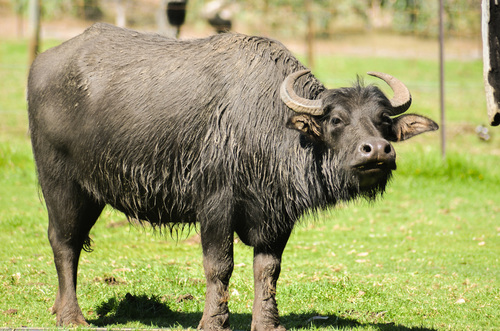
- Wild Water BuffaloBest: Nov–Apr~80%*est. / safari
* Estimated chance per safari, based on reported animal density and sighting reports — not an official Forest Department figure. Prices are indicative ranges.
About this location
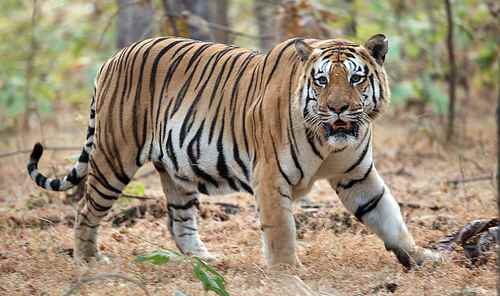
A UNESCO World Heritage Site and home to the world's largest population of Indian one-horned rhinoceros. Kaziranga's sweeping Brahmaputra floodplains and elephant-grass meadows hold the highest tiger density of any protected area in the world and are a landmark for wildlife photography.
Species You Can Photograph in Kaziranga National Park

Best season guide
Peak photography conditions typically align with Jan–Dec. Add buffer days for weather and park closures.
JanExcellent
FebExcellent
MarExcellent
AprExcellent
MayGood
JunOff-season
JulOff-season
AugOff-season
SepOff-season
OctGood
NovExcellent
DecExcellent
Safari Zones
Kaziranga's safari area is split into four ranges spread along the park's length, each entered through its own gate. The Central and Western ranges see the most rhino and elephant sightings and fill up fastest in peak season; Eastern and Burapahar are quieter alternatives.
Range
| Zone | Entry gate |
|---|---|
| Central Range (Kohora) | Kohora Gate |
| Western Range (Bagori) | Bagori Gate |
| Eastern Range (Agaratoli) | Agaratoli Gate |
| Burapahar Range | Ghorakati Gate |
How to Reach
- Nearest airport
- Jorhat Airport (~97 km) or Guwahati International Airport (~217 km)
- Nearest railway station
- Furkating Railway Station (~75 km)
By Air
Jorhat is the closer airport with a handful of daily flights from Kolkata and Guwahati. Guwahati has far more frequent domestic and some international connections if Jorhat flights don't line up.
By Rail
Furkating is the nearest major railhead, on the line connecting Guwahati to Upper Assam; from there it is roughly a 2-hour drive to Kaziranga.
By Road
Kaziranga sits on NH37 between Guwahati (~217 km, ~5h) and Jorhat (~97 km, ~2.5h), so it is easy to combine with either city on a road itinerary.
Expert Wildlife Creators in Kaziranga National Park
No one's claimed this park yet
Be the first expert here — if you're a wildlife photographer or guide who knows Kaziranga National Park, join as a creator.
Available trips
No listed trips here yet
No trips are currently targeting Kaziranga National Park. Browse every active trip, or message a local creator directly to ask about planning one.
Recent Wildlife Sightings
Seen wildlife here? Be the first to report it
No field reports have been logged for Kaziranga National Park yet. If you're a wildlife creator, log what you've seen here — or browse sightings from other destinations.
Photography tips for Kaziranga National Park
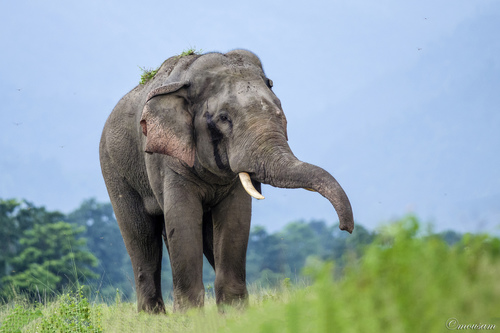
Jeep safaris cover the Central, Western, and Eastern ranges, with elephant-back safaris at dawn reaching tall-grass areas jeeps can't enter. Rhinos and elephants are routinely seen at close range against open grassland.
Conservation: A UNESCO World Heritage Site holding over two-thirds of the world's greater one-horned rhinos, rebuilt from fewer than 200 individuals a century ago.
More in Assam