Nilgiritragus hylocrius
Nilgiri Tahr
Best locations
9
Expert creators
0
Field Reports (12 months)
0
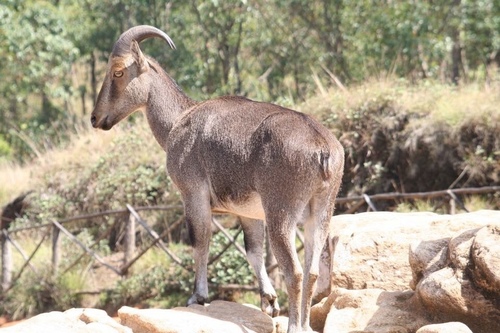
(c) lauren_brown27, all rights reserved
About this species
The Nilgiri Tahr is a stocky mountain ungulate endemic to the southern Western Ghats. Eravikulam National Park in Kerala holds the largest population, where herds graze on high-altitude grasslands above 1,200 metres. The rolling shola-grassland landscape provides a breathtaking backdrop. Dawn visits during the dry season yield the best sightings of dominant males with their impressive curved horns. Trek to spot the endemic Nilgiri Tahr in Kerala's highlands. Eravikulam National Park guides, seasons, and photography tips.
Field Reports
0 total reports
Seen one? Be the first to report it
No field reports have been logged for Nilgiri Tahr yet. If you're a wildlife creator, log what you've seen — or browse sightings from other species.
Best locations for Nilgiri Tahr
Reserves and landscapes where our photographers reliably encounter this species, with links to place-specific guides.
Wildlife Creators Specialising in Nilgiri Tahr
View allNo one's claimed this species yet
Be the first expert here — if you're a wildlife photographer or guide who specialises in Nilgiri Tahr, join as a creator.
Upcoming Trips Targeting Nilgiri Tahr
No trips targeting this species yet
No trips are currently built around Nilgiri Tahr. Browse every active trip, or ask a guide directly through search.
When and Where to Photograph Nilgiri Tahr
The Nilgiri Tahr is a stocky mountain ungulate endemic to the southern Western Ghats. Eravikulam National Park in Kerala holds the largest population, where herds graze on high-altitude grasslands above 1,200 metres. The rolling shola-grassland landscape provides a breathtaking backdrop. Dawn visits during the dry season yield the best sightings of dominant males with their impressive curved horns. Trek to spot the endemic Nilgiri Tahr in Kerala's highlands. Eravikulam National Park guides, seasons, and photography tips.
Plan field days around Jan–Dec: light is often strongest at dawn and dusk, when many mammals and birds are most active. Work with a naturalist who knows local movement patterns — they will position you ethically while improving your odds of a encounter in Eravikulam National Park.