Melursus ursinus
Sloth Bear
MammalBest Season: Mar–Nov
Best locations
58
Expert creators
1
Field Reports (12 months)
1
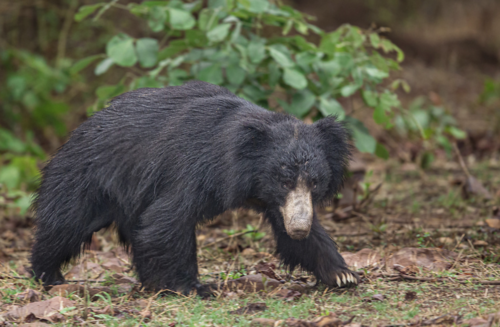
(c) Jorel, all rights reserved, uploaded by Jorel
Trip Finder
Plan a Sloth Bear trip
1 park mapped with estimated sighting chances, best zones, closures and indicative costs.
* Estimated chance per safari, based on reported animal density and sighting reports — not an official Forest Department figure. Prices are indicative ranges.
About this species
Shaggy insectivore of dry forests; famous in Ranthambore. Sloth bear sightings in Rajasthan and central India.
Behavior
Nocturnal or crepuscular where disturbed by human activity, but active by day in undisturbed reserves. Mothers famously carry cubs on their backs. Powerful diggers with long curved claws built for excavating termite mounds.
Diet
Termites and ants, sucked up through a distinctive gap in the front teeth, supplemented with fruit and honey.
Field Reports
1 total report
- Activity
- Vehicle safari
- Light / weather
- Overcast
- Encounter distance
- Mid range
- Confidence
- Probable
Context tags
Early morningForest edge
Best locations for Sloth Bear
Reserves and landscapes where our photographers reliably encounter this species, with links to place-specific guides.
RajasthanRanthambore National Park
0 creators here
Madhya PradeshSatpura National Park
0 creators here
ChhattisgarhAchanakmar Wildlife Sanctuary
0 creators here
TelanganaAmrabad Tiger Reserve
0 creators here
OdishaBalimela Wildlife Sanctuary
0 creators here
Madhya PradeshBandhavgarh National Park
0 creators here
Wildlife Creators Specialising in Sloth Bear
View all
Upcoming Trips Targeting Sloth Bear
When and Where to Photograph Sloth Bear
Listen for loud snuffling and digging noises at termite mounds — often the first clue to a nearby bear. Rocky, boulder-strewn zones at Ranthambore and Daroji Sloth Bear Sanctuary are especially reliable.
Plan field days around Mar–Nov: light is often strongest at dawn and dusk, when many mammals and birds are most active. Work with a naturalist who knows local movement patterns — they will position you ethically while improving your odds of a encounter in Ranthambore National Park.