About this location
A compact wildlife sanctuary east of Guwahati with the highest density of Indian one-horned rhinoceros outside Kaziranga. Pobitora is exceptional for close-up rhino photography — the grasslands are open and the rhinos are accustomed to vehicles, making encounters dramatic and intimate.
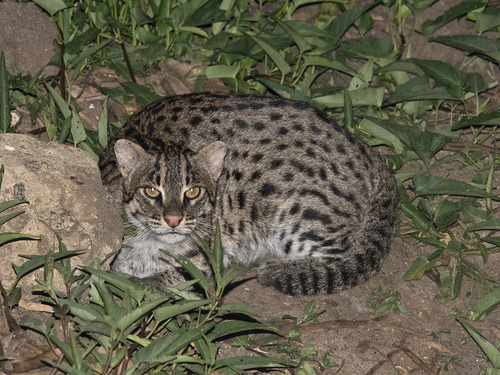
Species You Can Photograph in Pobitora Wildlife Sanctuary
Best season guide
Peak photography conditions typically align with Jan–Dec. Add buffer days for weather and park closures.
Safari Zones
Jeep Safari
| Zone | Entry gate |
|---|---|
| Pobitora Jeep Safari Circuit (Garanga Beel) | Raja Mayong Range Office (via hanging bridge) |
Elephant Safari
| Zone | Entry gate |
|---|---|
| Pobitora Elephant Safari Area | Raja Mayong Range Office (via hanging bridge) |
How to Reach
- Nearest airport
- Guwahati (LGBI) Airport (~55 km)
- Nearest railway station
- Guwahati (~45 km)
By Air
Guwahati (LGBI) Airport is the nearest airport, about 55 km away. Continue by taxi or pre-booked cab.
By Rail
Guwahati is the nearest railway station, about 45 km away, with Jagiroad (~25 km) as a smaller station. Taxis and autos cover the last stretch.
By Road
Pobitora is about 45 km east of Guwahati via Mayong — an easy day trip. Jeep safaris and short elephant rides start from the Rajamayong entry on the Garanga side.
Expert Wildlife Creators in Pobitora Wildlife Sanctuary
No one's claimed this park yet
Be the first expert here — if you're a wildlife photographer or guide who knows Pobitora Wildlife Sanctuary, join as a creator.
Available trips
No listed trips here yet
No trips are currently targeting Pobitora Wildlife Sanctuary. Browse every active trip, or message a local creator directly to ask about planning one.
Recent Wildlife Sightings
Seen wildlife here? Be the first to report it
No field reports have been logged for Pobitora Wildlife Sanctuary yet. If you're a wildlife creator, log what you've seen here — or browse sightings from other destinations.
Photography tips for Pobitora Wildlife Sanctuary
Reach the gate before opening light; many species move along edges of forest, meadows, or water at dawn. Use a long lens with a bean bag or gimbal head on shared vehicles, and keep spare batteries warm in cold destinations like high Himalaya.
Respect buffer zones and guide instructions — ethical positioning keeps stress off animals and often yields cleaner frames. Review your images in the field to adjust exposure for harsh midday sun versus misty mornings typical of Assam.
More in Assam
Species guides