Rusa unicolor
Sambar Deer
MammalBest Season: Jan–Dec
Best locations
4
Expert creators
0
Field Reports (12 months)
0
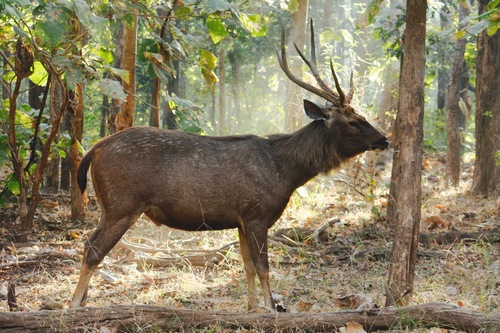
(c) Rashityagi, some rights reserved (CC BY-SA)
About this species
India's largest deer species, the Sambar is a cornerstone prey species for tigers and leopards across the subcontinent. Distinctive alarm calls — a loud, resonant "dhank" — are often the first indication of a predator's presence. Ranthambore's lakes are famous for Sambar wading neck-deep while tigers wait at the shore. See Sambar Deer in India's national parks. Key prey species for tigers — safari guides, behaviour, and best viewing spots.
Field Reports
0 total reports
Seen one? Be the first to report it
No field reports have been logged for Sambar Deer yet. If you're a wildlife creator, log what you've seen — or browse sightings from other species.
Best locations for Sambar Deer
Reserves and landscapes where our photographers reliably encounter this species, with links to place-specific guides.
Wildlife Creators Specialising in Sambar Deer
View allNo one's claimed this species yet
Be the first expert here — if you're a wildlife photographer or guide who specialises in Sambar Deer, join as a creator.
Upcoming Trips Targeting Sambar Deer
No trips targeting this species yet
No trips are currently built around Sambar Deer. Browse every active trip, or ask a guide directly through search.
When and Where to Photograph Sambar Deer
India's largest deer species, the Sambar is a cornerstone prey species for tigers and leopards across the subcontinent. Distinctive alarm calls — a loud, resonant "dhank" — are often the first indication of a predator's presence. Ranthambore's lakes are famous for Sambar wading neck-deep while tigers wait at the shore. See Sambar Deer in India's national parks. Key prey species for tigers — safari guides, behaviour, and best viewing spots.
Plan field days around Jan–Dec: light is often strongest at dawn and dusk, when many mammals and birds are most active. Work with a naturalist who knows local movement patterns — they will position you ethically while improving your odds of a encounter in Ranthambore National Park.