Macaca silenus
Lion-Tailed Macaque
MammalBest Season: Jan–Dec
Best locations
17
Expert creators
0
Field Reports (12 months)
0
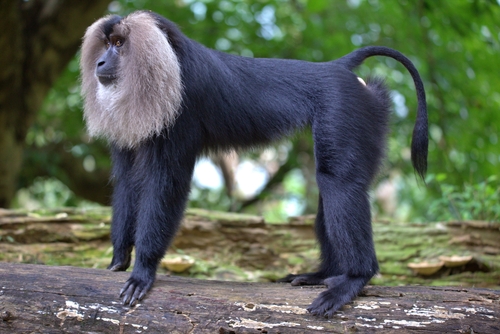
(c) pattabi, some rights reserved (CC BY-NC)
About this species
The Lion-Tailed Macaque's dramatic silver-white mane and black face make it one of the most distinctive primates of the Western Ghats. An endangered endemic, it is restricted to the evergreen shola forests of the southern Ghats. Valparai and Silent Valley are among the best locations for patient observation of these forest dwellers. Spot Lion-Tailed Macaques in the Western Ghats. Endangered endemic primates — forest guides, best locations, and conservation updates.
Field Reports
0 total reports
Seen one? Be the first to report it
No field reports have been logged for Lion-Tailed Macaque yet. If you're a wildlife creator, log what you've seen — or browse sightings from other species.
Best locations for Lion-Tailed Macaque
Reserves and landscapes where our photographers reliably encounter this species, with links to place-specific guides.
Tamil NaduAnamalai Tiger Reserve
0 creators here
KeralaSilent Valley National Park
0 creators here
KeralaAnamudi Shola National Park
0 creators here
KarnatakaBrahmagiri Wildlife Sanctuary
0 creators here
KeralaIdukki Wildlife Sanctuary
0 creators here
Tamil NaduIndira Gandhi (Annamalai) National Park
0 creators here
Wildlife Creators Specialising in Lion-Tailed Macaque
View allNo one's claimed this species yet
Be the first expert here — if you're a wildlife photographer or guide who specialises in Lion-Tailed Macaque, join as a creator.
Upcoming Trips Targeting Lion-Tailed Macaque
No trips targeting this species yet
No trips are currently built around Lion-Tailed Macaque. Browse every active trip, or ask a guide directly through search.
When and Where to Photograph Lion-Tailed Macaque
The Lion-Tailed Macaque's dramatic silver-white mane and black face make it one of the most distinctive primates of the Western Ghats. An endangered endemic, it is restricted to the evergreen shola forests of the southern Ghats. Valparai and Silent Valley are among the best locations for patient observation of these forest dwellers. Spot Lion-Tailed Macaques in the Western Ghats. Endangered endemic primates — forest guides, best locations, and conservation updates.
Plan field days around Jan–Dec: light is often strongest at dawn and dusk, when many mammals and birds are most active. Work with a naturalist who knows local movement patterns — they will position you ethically while improving your odds of a encounter in Anamalai Tiger Reserve.