Elephas maximus
Asian Elephant
MammalBest Season: Jan–Dec
Best locations
63
Expert creators
2
Field Reports (12 months)
1
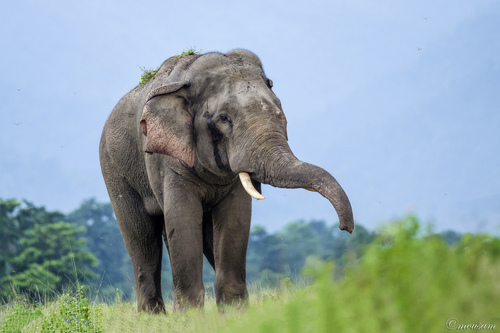
(c) Mousam Ray, some rights reserved (CC BY-NC), uploaded by Mousam Ray
About this species
The Asian Elephant is the largest living land animal in Asia and holds deep cultural significance in India. Kaziranga and Jim Corbett host large herds that roam through grasslands and riverine forests. Elephant safaris and jeep drives in these parks provide close and respectful encounters with family groups feeding, bathing, and migrating. Experience Asian Elephant safaris in Kaziranga and Corbett. Family herds, riverine habitats, and responsible wildlife tourism.
Behavior
Matriarchal herds of related females and calves led by an experienced matriarch; bulls are solitary or form loose bachelor groups. Herds retain detailed memory of seasonal water and feeding routes across generations.
Diet
Grasses, bark, roots, and fruit — an adult can consume well over 100kg of vegetation a day.
Field Reports
1 total report
- Activity
- Vehicle safari
- Light / weather
- Low light (dawn/dusk/night)
- Encounter distance
- Mid range
- Confidence
- Definite sighting
Context tags
Early morningLate afternoonOpen habitat
Best locations for Asian Elephant
Reserves and landscapes where our photographers reliably encounter this species, with links to place-specific guides.
Wildlife Creators Specialising in Asian Elephant
View all
Birding
Amit Kushwaha
Uttar Pradesh, India
Wildlife photographer with 3+ years of experience focused primarily on bird photography and Indian wildlife. I regularly shoot in bird hides, sanctuaries, and safaris, with a strong interest in capturing behavior, motion, and natural storytelling. My work combines patience, fieldcraft, and technical precision to create immersive wildlife visuals that inspire people to connect with nature and conservation.
Asian ElephantBar-Headed GooseGreater Flameback Woodpecker
Safari Guide
Veeru Negi
Uttarakhand, India
Veeru Negi is a naturalist based in Rajaji National Park with over 10 years of experience in the field. Known for his deep expertise in leopard and elephant behaviour, he leads jungle safaris, leopard photography tours, and bird photography tours, helping guests spot and understand wildlife that's often hard to find on your own.
Indian LeopardAsian ElephantBengal Tiger
Upcoming Trips Targeting Asian Elephant
No trips targeting this species yet
No trips are currently built around Asian Elephant. Browse every active trip, or ask a guide directly through search.
When and Where to Photograph Asian Elephant
Herds are most active and visible near water at dawn and dusk. Keep a respectful, generous distance from solitary bulls (especially any showing signs of musth) and from herds travelling with very young calves.
Plan field days around Jan–Dec: light is often strongest at dawn and dusk, when many mammals and birds are most active. Work with a naturalist who knows local movement patterns — they will position you ethically while improving your odds of a encounter in Kaziranga National Park.