Naja naja
Indian Cobra
ReptileBest Season: Jan–Dec
Best locations
3
Expert creators
0
Field Reports (12 months)
0
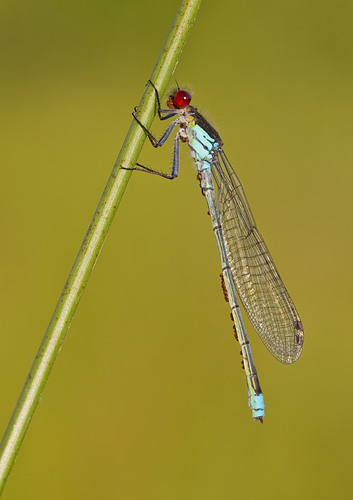
(c) Paul Cools, some rights reserved (CC BY-NC), uploaded by Paul Cools
About this species
The Indian cobra is the classic hooded snake of subcontinental folklore and one of the "big four" species responsible for most snakebite in India — but it is also a shy, largely nocturnal animal that avoids confrontation whenever it can. Seeing one in the wild, hood spread in a defensive display, is a rare and memorable sighting rather than a common one. Spotting Indian cobras safely in dry forest and farmland reserves.
Behavior
Mostly nocturnal and secretive, retreating into burrows or crevices by day. When cornered it rears up, spreads its hood, and hisses as a warning before striking — a last resort, not a first response.
Diet
Rodents form the bulk of its diet, supplemented by frogs, small reptiles, and birds — which also makes it a valuable, if underappreciated, check on rodent populations near farmland.
Field Reports
0 total reports
Seen one? Be the first to report it
No field reports have been logged for Indian Cobra yet. If you're a wildlife creator, log what you've seen — or browse sightings from other species.
Best locations for Indian Cobra
Reserves and landscapes where our photographers reliably encounter this species, with links to place-specific guides.
Wildlife Creators Specialising in Indian Cobra
View allNo one's claimed this species yet
Be the first expert here — if you're a wildlife photographer or guide who specialises in Indian Cobra, join as a creator.
Upcoming Trips Targeting Indian Cobra
No trips targeting this species yet
No trips are currently built around Indian Cobra. Browse every active trip, or ask a guide directly through search.
When and Where to Photograph Indian Cobra
Sightings are opportunistic — scan rock piles, termite mounds, and field margins at dusk with a guide, and never approach or attempt to handle one.
Plan field days around Jan–Dec: light is often strongest at dawn and dusk, when many mammals and birds are most active. Work with a naturalist who knows local movement patterns — they will position you ethically while improving your odds of a encounter in Ranthambore National Park.