About this location
A core zone of the Great Himalayan National Park World Heritage Site, Tirthan valley is one of Himachal Pradesh's finest wildlife photography destinations. The pristine Tirthan river, trout-rich streams, and old-growth forest are the setting for excellent Himalayan bird and mammal photography.
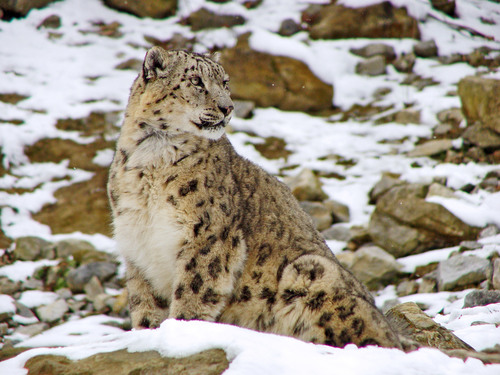
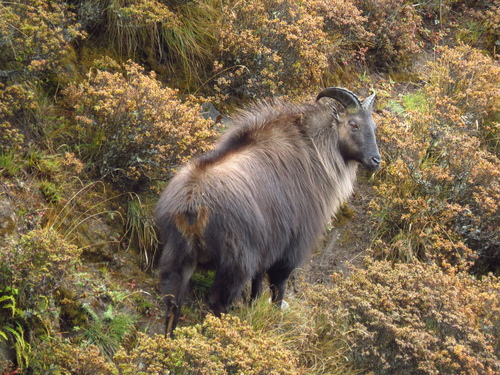
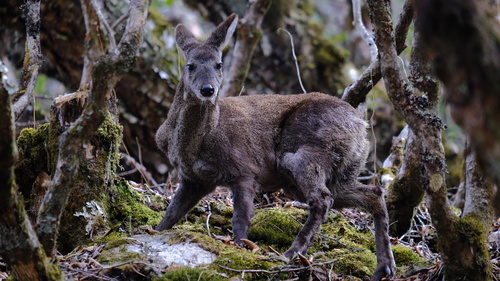
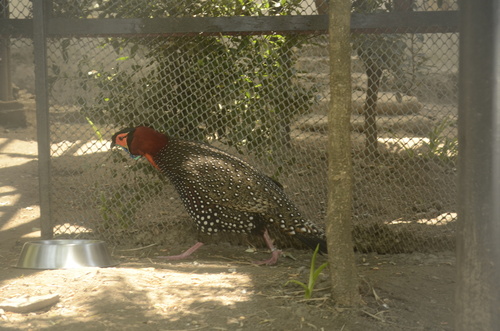
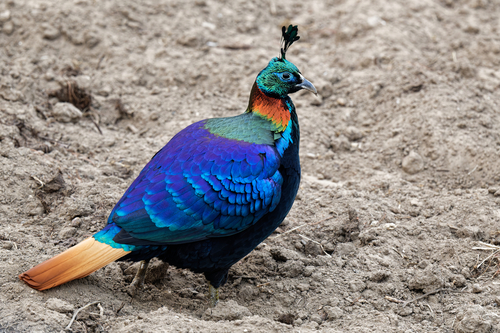
Species You Can Photograph in Tirthan Wildlife Sanctuary
Best season guide
Peak photography conditions typically align with May–Sep. Add buffer days for weather and park closures.
How to Reach
- Nearest airport
- Bhuntar (Kullu–Manali) Airport (~50 km)
- Nearest railway station
- Chandigarh (~250 km) — the nearest practical broad-gauge railhead
By Air
Bhuntar (Kullu–Manali) Airport is the nearest airport, about 50 km away. Continue by taxi or pre-booked cab.
By Rail
There is no convenient railway near the Tirthan valley; Chandigarh is the nearest major railhead.
By Road
Leave the Chandigarh–Manali highway at Aut and follow the Tirthan river towards Banjar and Gushaini (~30–35 km). Homestays line the valley; trails climb into the sanctuary and on into the Great Himalayan National Park.
Expert Wildlife Creators in Tirthan Wildlife Sanctuary
No one's claimed this park yet
Be the first expert here — if you're a wildlife photographer or guide who knows Tirthan Wildlife Sanctuary, join as a creator.
Available trips
No listed trips here yet
No trips are currently targeting Tirthan Wildlife Sanctuary. Browse every active trip, or message a local creator directly to ask about planning one.
Recent Wildlife Sightings
Seen wildlife here? Be the first to report it
No field reports have been logged for Tirthan Wildlife Sanctuary yet. If you're a wildlife creator, log what you've seen here — or browse sightings from other destinations.
Photography tips for Tirthan Wildlife Sanctuary
Reach the gate before opening light; many species move along edges of forest, meadows, or water at dawn. Use a long lens with a bean bag or gimbal head on shared vehicles, and keep spare batteries warm in cold destinations like high Himalaya.
Respect buffer zones and guide instructions — ethical positioning keeps stress off animals and often yields cleaner frames. Review your images in the field to adjust exposure for harsh midday sun versus misty mornings typical of Himachal Pradesh.
More in Himachal Pradesh
- Chail Wildlife Sanctuary
- Chandertal Wetland
- Churdhar Wildlife Sanctuary
- Daranghati Sanctuary
- Great Himalayan National Park
- Inderkilla National Park
- Khirganga National Park
- Kibber Wildlife Sanctuary
- Kugti Wildlife Sanctuary
- Lippa Asrang Wildlife Sanctuary
- Majathal Sanctuary
- Manali Wildlife Sanctuary
- Nargu Wildlife Sanctuary
- Pin Valley National Park
- Pong Dam Lake Wildlife Sanctuary
- Renuka Wetland
- Shilli Wildlife Sanctuary
- Simbalbara National Park
- Spiti Valley
- Talra Wildlife Sanctuary
- Tundah Wildlife Sanctuary