Trip Finder
Plan your trip to Great Himalayan National Park
Estimated sighting chances, the zones to book, month-by-month closures and indicative costs for what you want to see here.
* Estimated chance per safari, based on reported animal density and sighting reports — not an official Forest Department figure. Prices are indicative ranges.
About this location
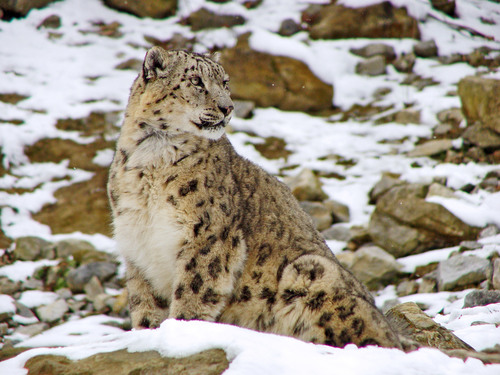
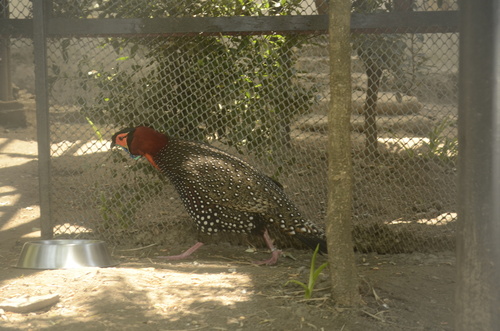
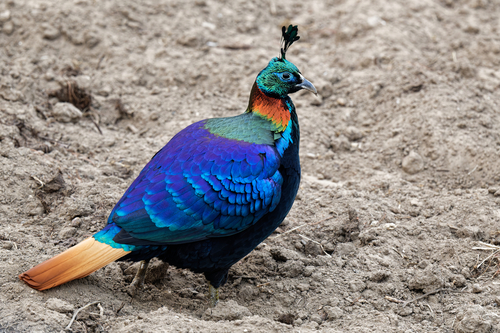
A UNESCO World Heritage Site in the Kullu district protecting upper Himalayan ecosystems from 1,500m to 6,000m. One of India's finest trekking-based wildlife sanctuaries, harbouring snow leopard, western tragopan, and Himalayan monal in pristine high-altitude forests.
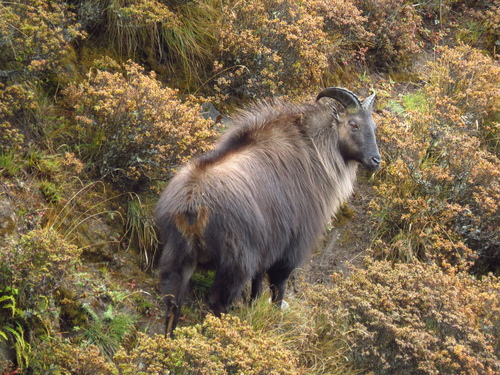
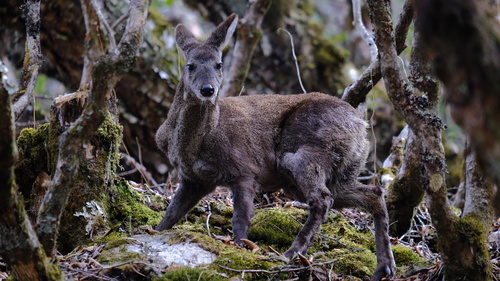
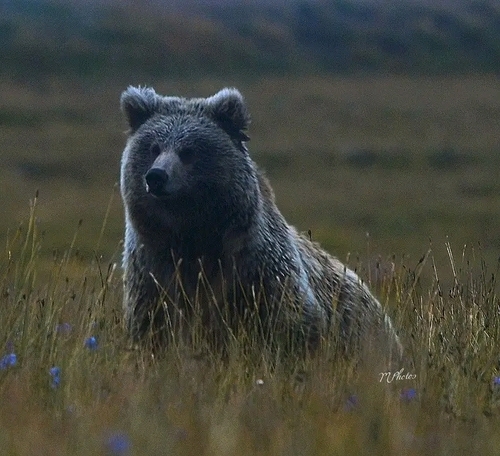
Species You Can Photograph in Great Himalayan National Park
Best season guide
Peak photography conditions typically align with May–Sep. Add buffer days for weather and park closures.
JanOff-season
FebOff-season
MarOff-season
AprGood
MayExcellent
JunExcellent
JulExcellent
AugExcellent
SepExcellent
OctGood
NovOff-season
DecOff-season
Safari Zones
GHNP is a trekking park, not a jeep-safari park. Visitors enter on foot through valley roadheads, each leading into a different drainage of the park. Tirthan and Sainj are the most used and have guesthouses and homestays near their roadheads; entry permits and guides are arranged at the park's interpretation centres.
Valley
| Zone | Entry gate |
|---|---|
| Tirthan Valley | Gushaini |
| Sainj Valley | Neuli |
How to Reach
- Nearest airport
- Bhuntar (Kullu–Manali) Airport (~65 km)
- Nearest railway station
- Chandigarh (~250 km) — the nearest practical broad-gauge railhead
By Air
Bhuntar (Kullu–Manali) Airport is the nearest airport, about 65 km away. Continue by taxi or pre-booked cab.
By Rail
There is no convenient railway near GHNP. Chandigarh is the nearest major railhead, followed by a 6–7 hour drive up the Chandigarh–Manali highway.
By Road
Leave the Chandigarh–Manali highway at Aut. Gushaini, the roadhead for the Tirthan valley, is ~34 km from Aut; Neuli, the roadhead for the Sainj valley, is ~40 km. The park itself is entered only on foot, with overnight treks needing a permit and registered guide.
Expert Wildlife Creators in Great Himalayan National Park
No one's claimed this park yet
Be the first expert here — if you're a wildlife photographer or guide who knows Great Himalayan National Park, join as a creator.
Available trips
No listed trips here yet
No trips are currently targeting Great Himalayan National Park. Browse every active trip, or message a local creator directly to ask about planning one.
Recent Wildlife Sightings
Seen wildlife here? Be the first to report it
No field reports have been logged for Great Himalayan National Park yet. If you're a wildlife creator, log what you've seen here — or browse sightings from other destinations.
Photography tips for Great Himalayan National Park
Reach the gate before opening light; many species move along edges of forest, meadows, or water at dawn. Use a long lens with a bean bag or gimbal head on shared vehicles, and keep spare batteries warm in cold destinations like high Himalaya.
Respect buffer zones and guide instructions — ethical positioning keeps stress off animals and often yields cleaner frames. Review your images in the field to adjust exposure for harsh midday sun versus misty mornings typical of Himachal Pradesh.
More in Himachal Pradesh
- Chail Wildlife Sanctuary
- Chandertal Wetland
- Churdhar Wildlife Sanctuary
- Daranghati Sanctuary
- Inderkilla National Park
- Khirganga National Park
- Kibber Wildlife Sanctuary
- Kugti Wildlife Sanctuary
- Lippa Asrang Wildlife Sanctuary
- Majathal Sanctuary
- Manali Wildlife Sanctuary
- Nargu Wildlife Sanctuary
- Pin Valley National Park
- Pong Dam Lake Wildlife Sanctuary
- Renuka Wetland
- Shilli Wildlife Sanctuary
- Simbalbara National Park
- Spiti Valley
- Talra Wildlife Sanctuary
- Tirthan Wildlife Sanctuary
- Tundah Wildlife Sanctuary