About this location
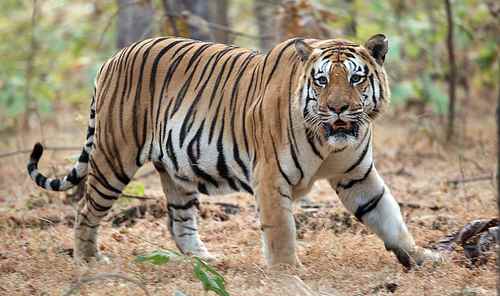
The world's largest mangrove delta and home to the largest Bengal tiger population on Earth. Tigers swim between islands, and boat safaris through narrow waterways create intimate, otherworldly photography unlike any other tiger habitat. UNESCO World Heritage Site.
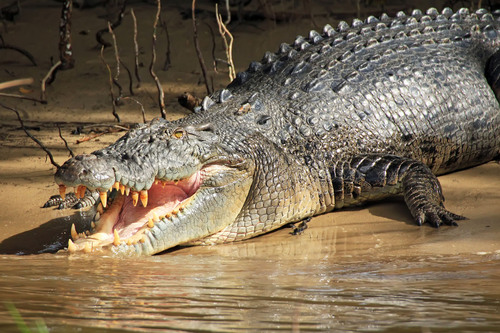
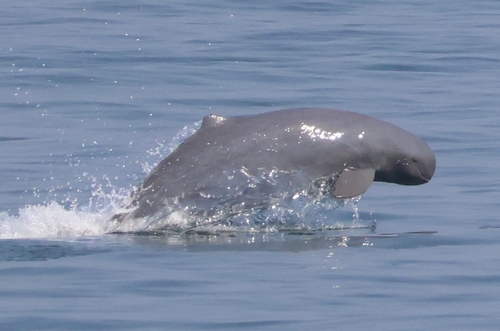
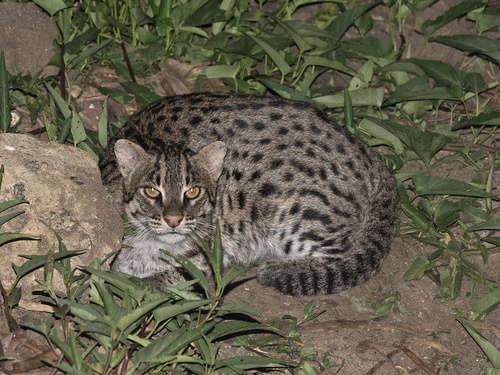
Species You Can Photograph in Sundarbans National Park
Best season guide
Peak photography conditions typically align with Jan–Dec. Add buffer days for weather and park closures.
JanExcellent
FebExcellent
MarExcellent
AprGood
MayOff-season
JunOff-season
JulOff-season
AugOff-season
SepOff-season
OctGood
NovExcellent
DecExcellent
Expert Wildlife Creators in Sundarbans National Park
No one's claimed this park yet
Be the first expert here — if you're a wildlife photographer or guide who knows Sundarbans National Park, join as a creator.
Available trips
No listed trips here yet
No trips are currently targeting Sundarbans National Park. Browse every active trip, or message a local creator directly to ask about planning one.
Recent Wildlife Sightings
Seen wildlife here? Be the first to report it
No field reports have been logged for Sundarbans National Park yet. If you're a wildlife creator, log what you've seen here — or browse sightings from other destinations.
Photography tips for Sundarbans National Park
Reach the gate before opening light; many species move along edges of forest, meadows, or water at dawn. Use a long lens with a bean bag or gimbal head on shared vehicles, and keep spare batteries warm in cold destinations like high Himalaya.
Respect buffer zones and guide instructions — ethical positioning keeps stress off animals and often yields cleaner frames. Review your images in the field to adjust exposure for harsh midday sun versus misty mornings typical of West Bengal.
More in West Bengal
- Ballavpur Wildlife Sanctuary
- Bibhutibhushan Wildlife Sanctuary
- Buxa Tiger Reserve
- Chapramari Wildlife Sanctuary
- Chintamani Kar Bird Sanctuary
- East Kolkata Wetlands
- Gorumara National Park
- Haliday Island Wildlife Sanctuary
- Jaldapara National Park
- Lothian Island Wildlife Sanctuary
- Mahananda Wildlife Sanctuary
- Neora Valley National Park
- Rabindranath Tagore Bird Sanctuary
- Rasikbil Bird Sanctuary
- Sajnekhali Wildlife Sanctuary
- Singalila National Park
- Sundarbans