Trip Finder
Plan your trip to Singalila National Park
Estimated sighting chances, the zones to book, month-by-month closures and indicative costs for what you want to see here.
* Estimated chance per safari, based on reported animal density and sighting reports — not an official Forest Department figure. Prices are indicative ranges.
About this location
A national park in the Darjeeling district on the ridge of the Singalila range bordering Nepal, protecting high-altitude forest and alpine meadow. The rhododendron-forested trail from Sandakphu to Phalut is one of India's great trekking birding routes, with spectacular Himalayan views.
Species You Can Photograph in Singalila National Park
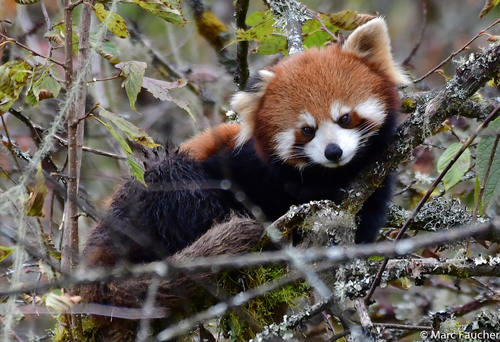
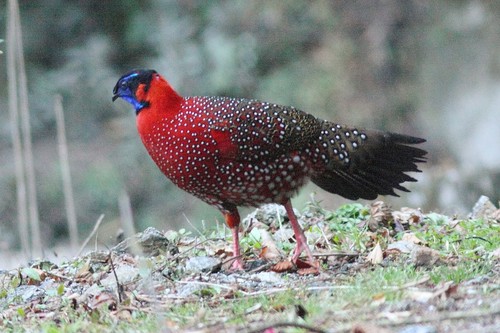
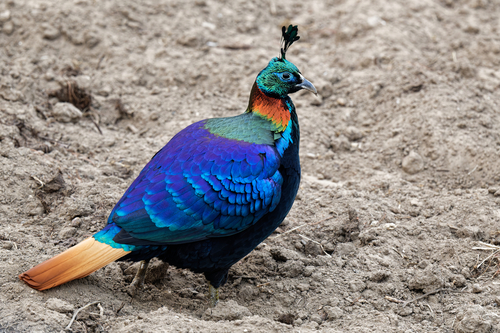
Best season guide
Peak photography conditions typically align with Apr–Nov. Add buffer days for weather and park closures.
JanOff-season
FebOff-season
MarGood
AprExcellent
MayExcellent
JunGood
JulOff-season
AugGood
SepExcellent
OctExcellent
NovExcellent
DecGood
Safari Zones
Trail segment
| Zone | Entry gate |
|---|---|
| Tumling & Kaiyakatta | Manebhanjan check post / Tumling park gate |
| Gairibas–Kalipokhri | Manebhanjan check post |
| Sandakphu–Phalut | Manebhanjan check post |
How to Reach
- Nearest airport
- Bagdogra Airport (~100 km)
- Nearest railway station
- New Jalpaiguri (~95 km)
By Air
Bagdogra Airport is the nearest airport, about 100 km away. Continue by taxi or pre-booked cab.
By Rail
New Jalpaiguri is the nearest railway station, about 95 km away, with the Darjeeling Himalayan Railway to Darjeeling. Taxis and autos cover the last stretch.
By Road
Manebhanjan, the park's entry point, is about 25 km from Darjeeling. Permits and mandatory guides are arranged there; the Sandakphu–Phalut route is done on foot or in the local Land Rovers.
Expert Wildlife Creators in Singalila National Park
No one's claimed this park yet
Be the first expert here — if you're a wildlife photographer or guide who knows Singalila National Park, join as a creator.
Available trips
No listed trips here yet
No trips are currently targeting Singalila National Park. Browse every active trip, or message a local creator directly to ask about planning one.
Recent Wildlife Sightings
Seen wildlife here? Be the first to report it
No field reports have been logged for Singalila National Park yet. If you're a wildlife creator, log what you've seen here — or browse sightings from other destinations.
Photography tips for Singalila National Park
Reach the gate before opening light; many species move along edges of forest, meadows, or water at dawn. Use a long lens with a bean bag or gimbal head on shared vehicles, and keep spare batteries warm in cold destinations like high Himalaya.
Respect buffer zones and guide instructions — ethical positioning keeps stress off animals and often yields cleaner frames. Review your images in the field to adjust exposure for harsh midday sun versus misty mornings typical of West Bengal.
More in West Bengal
- Ballavpur Wildlife Sanctuary
- Bibhutibhushan Wildlife Sanctuary
- Buxa Tiger Reserve
- Chapramari Wildlife Sanctuary
- Chintamani Kar Bird Sanctuary
- East Kolkata Wetlands
- Gorumara National Park
- Haliday Island Wildlife Sanctuary
- Jaldapara National Park
- Lothian Island Wildlife Sanctuary
- Mahananda Wildlife Sanctuary
- Neora Valley National Park
- Rabindranath Tagore Bird Sanctuary
- Rasikbil Bird Sanctuary
- Sajnekhali Wildlife Sanctuary
- Sundarbans
- Sundarbans National Park
Species guides