About this location
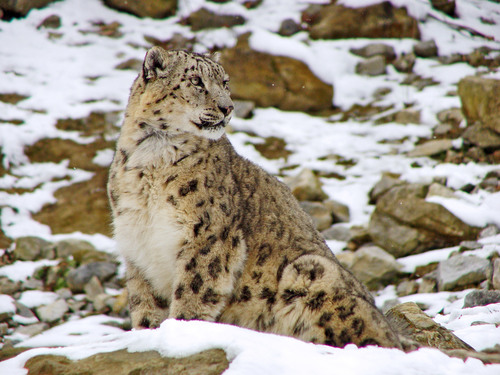
A remote and rarely visited national park in the Kishtwar Himalaya protecting upper montane and sub-alpine forest at the edge of the cold desert. Excellent for rare western Himalayan ungulates including the Himalayan ibex and snow leopard in dramatic gorge scenery.
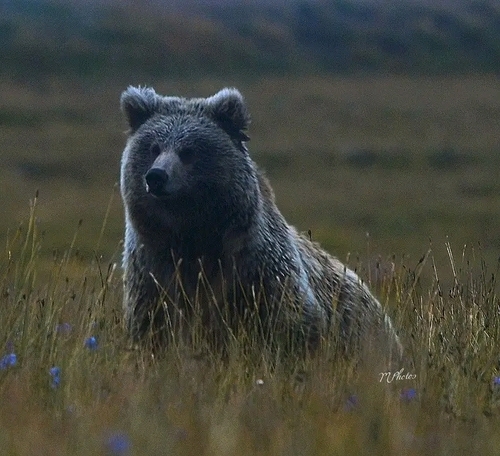
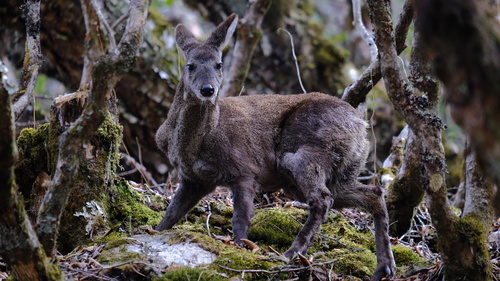
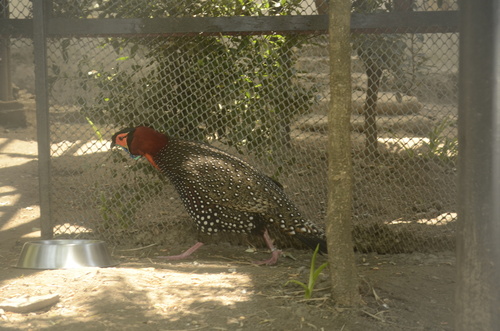
Species You Can Photograph in Kishtwar National Park
Best season guide
Peak photography conditions typically align with Jun–Sep. Add buffer days for weather and park closures.
How to Reach
- Nearest airport
- Jammu Airport (~230 km)
- Nearest railway station
- Udhampur (~180 km)
By Air
Jammu Airport is the nearest airport, about 230 km away, with Srinagar (~200 km via Sinthan Top, summer only). Continue by taxi or pre-booked cab.
By Rail
Udhampur is the nearest railway station, about 180 km away. Taxis and autos cover the last stretch.
By Road
Reach Kishtwar town via Batote and Doda (about 230 km from Jammu), then continue towards the Marwah–Warwan valleys. The park is remote trekking terrain; arrange permits and guides through the Kishtwar wildlife division.
Expert Wildlife Creators in Kishtwar National Park
No one's claimed this park yet
Be the first expert here — if you're a wildlife photographer or guide who knows Kishtwar National Park, join as a creator.
Available trips
No listed trips here yet
No trips are currently targeting Kishtwar National Park. Browse every active trip, or message a local creator directly to ask about planning one.
Recent Wildlife Sightings
Seen wildlife here? Be the first to report it
No field reports have been logged for Kishtwar National Park yet. If you're a wildlife creator, log what you've seen here — or browse sightings from other destinations.
Photography tips for Kishtwar National Park
Reach the gate before opening light; many species move along edges of forest, meadows, or water at dawn. Use a long lens with a bean bag or gimbal head on shared vehicles, and keep spare batteries warm in cold destinations like high Himalaya.
Respect buffer zones and guide instructions — ethical positioning keeps stress off animals and often yields cleaner frames. Review your images in the field to adjust exposure for harsh midday sun versus misty mornings typical of Jammu and Kashmir.
More in Jammu and Kashmir
- City Forest (Salim Ali) National Park
- Dachigam National Park
- Hirpora Wildlife Sanctuary
- Hokersar Wetland
- Hygam Wetland Conservation Reserve
- Jasrota Wildlife Sanctuary
- Lachipora Wildlife Sanctuary
- Nandini Wildlife Sanctuary
- Overa-Aru Wildlife Sanctuary
- Ramnagar (Ramgarh) Wildlife Sanctuary
- Surinsar-Mansar Wildlife Sanctuary
- Trikuta Wildlife Sanctuary
- Wular Lake