About this location
A national park and bird sanctuary in the heart of Srinagar city, protecting a remnant of wetland and riparian forest along the Jhelum river. Named after Dr. Salim Ali, it is one of the few urban bird sanctuaries in India and a key site for winter waterbird photography.
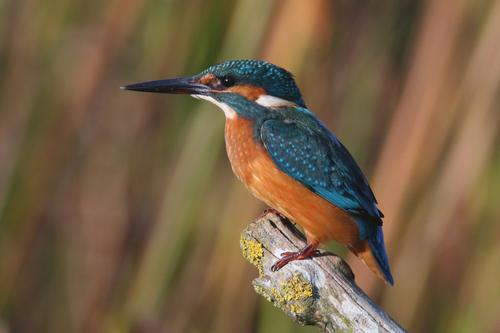
Species You Can Photograph in City Forest (Salim Ali) National Park
Best season guide
Peak photography conditions typically align with Jan–Dec. Add buffer days for weather and park closures.
How to Reach
- Nearest airport
- Srinagar (Sheikh ul-Alam) Airport (~20 km)
- Nearest railway station
- Srinagar (Nowgam) (~15 km)
By Air
Srinagar (Sheikh ul-Alam) Airport is the nearest airport, about 20 km away. Continue by taxi or pre-booked cab.
By Rail
Srinagar (Nowgam) is the nearest railway station, about 15 km away. Taxis and autos cover the last stretch.
By Road
The former City Forest (Salim Ali) National Park is on the northern edge of Dal Lake in Srinagar, close to the Boulevard road. Much of the area now overlaps with the Royal Springs golf course, so check current access with the J&K Wildlife Department.
Expert Wildlife Creators in City Forest (Salim Ali) National Park
No one's claimed this park yet
Be the first expert here — if you're a wildlife photographer or guide who knows City Forest (Salim Ali) National Park, join as a creator.
Available trips
No listed trips here yet
No trips are currently targeting City Forest (Salim Ali) National Park. Browse every active trip, or message a local creator directly to ask about planning one.
Recent Wildlife Sightings
Seen wildlife here? Be the first to report it
No field reports have been logged for City Forest (Salim Ali) National Park yet. If you're a wildlife creator, log what you've seen here — or browse sightings from other destinations.
Photography tips for City Forest (Salim Ali) National Park
Reach the gate before opening light; many species move along edges of forest, meadows, or water at dawn. Use a long lens with a bean bag or gimbal head on shared vehicles, and keep spare batteries warm in cold destinations like high Himalaya.
Respect buffer zones and guide instructions — ethical positioning keeps stress off animals and often yields cleaner frames. Review your images in the field to adjust exposure for harsh midday sun versus misty mornings typical of Jammu and Kashmir.
More in Jammu and Kashmir
- Dachigam National Park
- Hirpora Wildlife Sanctuary
- Hokersar Wetland
- Hygam Wetland Conservation Reserve
- Jasrota Wildlife Sanctuary
- Kishtwar National Park
- Lachipora Wildlife Sanctuary
- Nandini Wildlife Sanctuary
- Overa-Aru Wildlife Sanctuary
- Ramnagar (Ramgarh) Wildlife Sanctuary
- Surinsar-Mansar Wildlife Sanctuary
- Trikuta Wildlife Sanctuary
- Wular Lake
Species guides