About this location
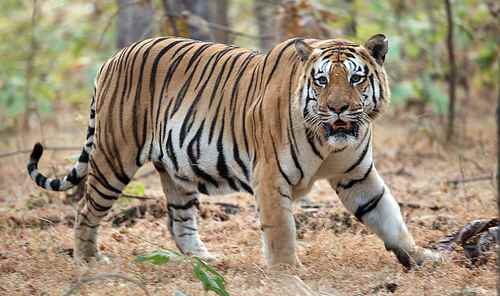
A tiger reserve incorporating Dudhwa National Park and adjacent buffer zones, protecting one of the last intact terai ecosystems in India. The combination of tall grassland, sal forest, and riverine habitat makes this one of India's finest yet least-visited wildlife photography destinations.
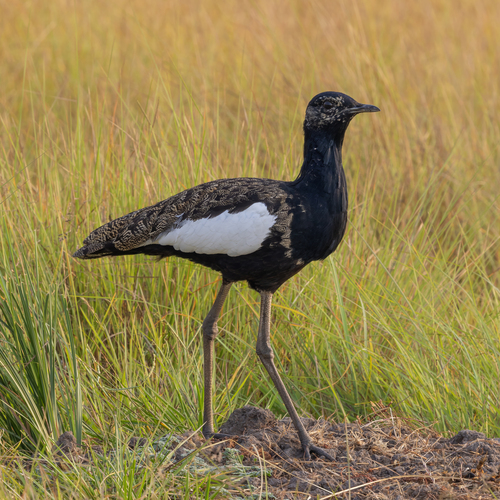
Species You Can Photograph in Dudhwa Tiger Reserve
Best season guide
Peak photography conditions typically align with Feb–Dec. Add buffer days for weather and park closures.
JanGood
FebExcellent
MarExcellent
AprExcellent
MayExcellent
JunGood
JulOff-season
AugOff-season
SepOff-season
OctGood
NovExcellent
DecExcellent
Safari Zones
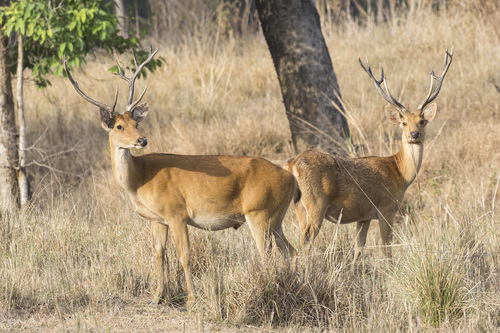
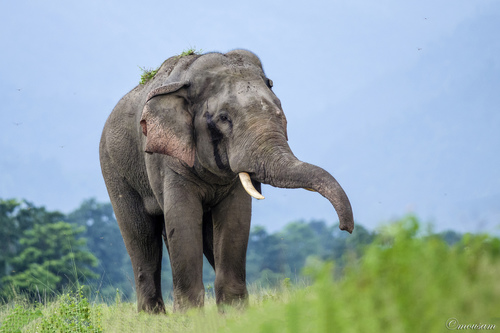
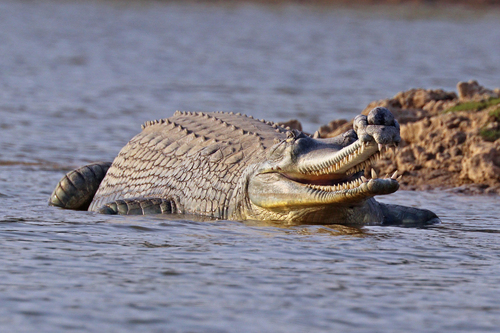
The Dudhwa Tiger Reserve covers Dudhwa National Park and the Kishanpur and Katarniaghat sanctuaries, each with its own safari zone. The Dudhwa zone is best for open grasslands, tigers and elephants; Sonaripur holds the reintroduced one-horned rhino; Kishanpur is excellent for birding and swamp deer; and Katarniaghat adds gharials and dolphins on the Girwa river. The park closes in the monsoon (roughly mid-June to mid-November).
Safari Zone
| Zone | Entry gate |
|---|---|
| Dudhwa | Dudhwa (near Palia Kalan) |
| Sonaripur (rhino area) | — |
| Kishanpur | Kishanpur (via Mailani) |
| Katarniaghat | Katarniaghat (Bahraich district) |
How to Reach
- Nearest airport
- Lucknow (Chaudhary Charan Singh) Airport (~230 km)
- Nearest railway station
- Palia Kalan (~10 km)
By Air
Lucknow (Chaudhary Charan Singh) Airport is the nearest airport, about 230 km away, with Bareilly (~200 km) as an alternative. Continue by taxi or pre-booked cab.
By Rail
Palia Kalan is the nearest railway station, about 10 km away. Taxis and autos cover the last stretch.
By Road
Dudhwa is about 10 km from Palia Kalan and ~230 km from Lucknow via Sitapur and Lakhimpur. From Delhi it is roughly 430 km. Katarniaghat is on the eastern side in Bahraich district, and Kishanpur is to the south-west near Mailani.
Expert Wildlife Creators in Dudhwa Tiger Reserve
Available trips
No listed trips here yet
No trips are currently targeting Dudhwa Tiger Reserve. Browse every active trip, or message a local creator directly to ask about planning one.
Recent Wildlife Sightings
Seen wildlife here? Be the first to report it
No field reports have been logged for Dudhwa Tiger Reserve yet. If you're a wildlife creator, log what you've seen here — or browse sightings from other destinations.
Photography tips for Dudhwa Tiger Reserve
Reach the gate before opening light; many species move along edges of forest, meadows, or water at dawn. Use a long lens with a bean bag or gimbal head on shared vehicles, and keep spare batteries warm in cold destinations like high Himalaya.
Respect buffer zones and guide instructions — ethical positioning keeps stress off animals and often yields cleaner frames. Review your images in the field to adjust exposure for harsh midday sun versus misty mornings typical of Uttar Pradesh.
More in Uttar Pradesh
- Bakhira Wildlife Sanctuary
- Dudhwa National Park
- Haiderpur Wetland
- Katarniaghat Wildlife Sanctuary
- Kishanpur Wildlife Sanctuary
- National Chambal Sanctuary (UP)
- Nawabganj Bird Sanctuary
- Okhla Bird Sanctuary
- Parvati Arga Bird Sanctuary
- Patna Bird Sanctuary
- Pilibhit Tiger Reserve
- Rastogi Bird Sanctuary
- Saman Bird Sanctuary
- Samaspur Bird Sanctuary
- Sandi Bird Sanctuary
- Sarsai Nawar Jheel
- Sur Sarovar Bird Sanctuary
- Surajpur Wetland
- Upper Ganga River (Ramsar Stretch)
- Vijaysagar Bird Sanctuary