About this location
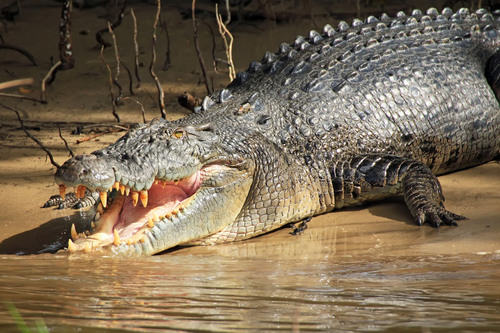
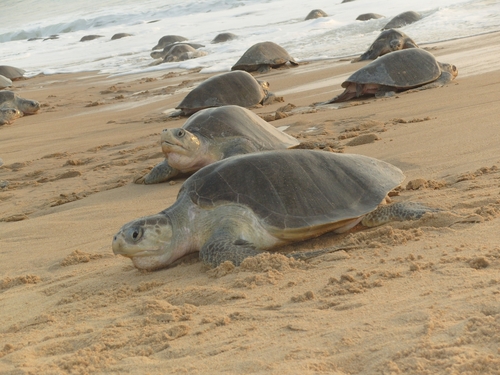
A national park protecting Asia's largest mangrove-fringed estuarine ecosystem at the mouth of the Mahanadi. Bhitarkanika hosts the world's largest nesting congregation of saltwater crocodiles and one of India's largest sea turtle nesting beaches at Gahirmatha.
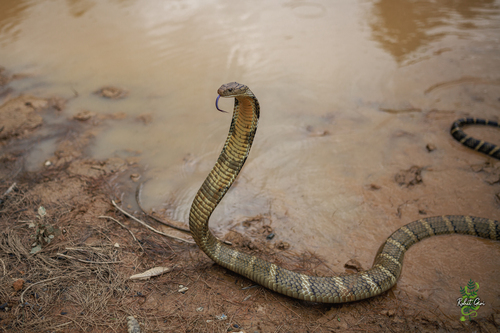
Species You Can Photograph in Bhitarkanika National Park
Best season guide
Peak photography conditions typically align with Jan–Dec. Add buffer days for weather and park closures.
JanExcellent
FebExcellent
MarExcellent
AprGood
MayOff-season
JunOff-season
JulOff-season
AugOff-season
SepOff-season
OctGood
NovExcellent
DecExcellent
Safari Zones
Bhitarkanika is explored by boat through its mangrove creeks. Permits are issued at the Khola and Gupti entry points (and at Chandbali and Rajnagar), and motorboats run from Khola, Gupti, Chandbali and Dhamara. Most trips head to Dangmal, which has the crocodile breeding centre and the park's highest concentration of wildlife. The park closes for the crocodile breeding season, roughly May to July.
Entry point
| Zone | Entry gate |
|---|---|
| Khola | Khola (via Rajnagar) |
| Gupti | Gupti |
Boat departure
| Zone | Entry gate |
|---|---|
| Chandbali | Chandbali jetty |
Boat destination
| Zone | Entry gate |
|---|---|
| Dangmal | via Khola, Gupti or Chandbali |
How to Reach
- Nearest airport
- Bhubaneswar (Biju Patnaik) Airport (~190 km)
- Nearest railway station
- Bhadrak (~70 km)
By Air
Bhubaneswar (Biju Patnaik) Airport is the nearest airport, about 190 km away. Continue by taxi or pre-booked cab.
By Rail
Bhadrak is the nearest railway station, about 70 km away. Taxis and autos cover the last stretch.
By Road
Khola and Gupti, the two main entry points, are reached via Rajnagar, about 190 km (~4 hours) from Bhubaneswar. Chandbali, ~60 km from Bhadrak, is the other popular starting point for boat trips.
Expert Wildlife Creators in Bhitarkanika National Park
No one's claimed this park yet
Be the first expert here — if you're a wildlife photographer or guide who knows Bhitarkanika National Park, join as a creator.
Available trips
No listed trips here yet
No trips are currently targeting Bhitarkanika National Park. Browse every active trip, or message a local creator directly to ask about planning one.
Recent Wildlife Sightings
Seen wildlife here? Be the first to report it
No field reports have been logged for Bhitarkanika National Park yet. If you're a wildlife creator, log what you've seen here — or browse sightings from other destinations.
Photography tips for Bhitarkanika National Park
Reach the gate before opening light; many species move along edges of forest, meadows, or water at dawn. Use a long lens with a bean bag or gimbal head on shared vehicles, and keep spare batteries warm in cold destinations like high Himalaya.
Respect buffer zones and guide instructions — ethical positioning keeps stress off animals and often yields cleaner frames. Review your images in the field to adjust exposure for harsh midday sun versus misty mornings typical of Odisha.
More in Odisha
- Baisipalli Wildlife Sanctuary
- Balimela Wildlife Sanctuary
- Chandaka-Dampara Wildlife Sanctuary
- Chilika Lake Bird Sanctuary
- Gahirmatha Marine Sanctuary
- Hadagarh Wildlife Sanctuary
- Karlapat Wildlife Sanctuary
- Mangalajodi
- Nandankanan Zoological Park
- Satkosia Tiger Reserve
- Simlipal National Park
- Tikarpada Wildlife Sanctuary
Species guides