Trip Finder
Plan your trip to Pench National Park
Estimated sighting chances, the zones to book, month-by-month closures and indicative costs for what you want to see here.
* Estimated chance per safari, based on reported animal density and sighting reports — not an official Forest Department figure. Prices are indicative ranges.
About this location
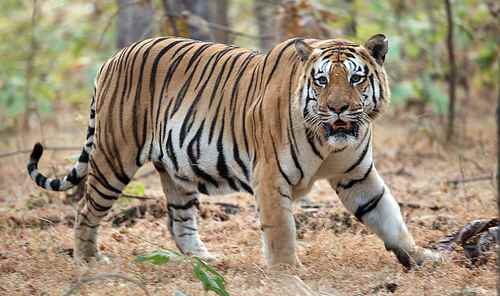
Straddling MP and Maharashtra, Pench's mixed teak forests and the Pench river offer intimate wildlife encounters. Famous for relaxed, vehicle-habituated tigers, excellent dhole pack sightings, and beautiful summer light through deciduous canopy.
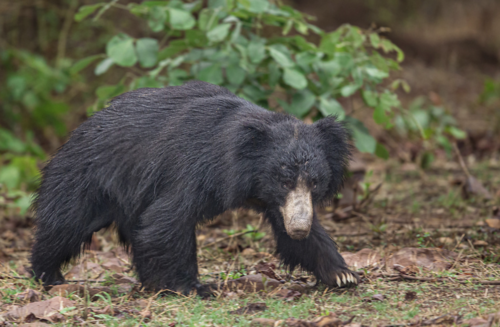
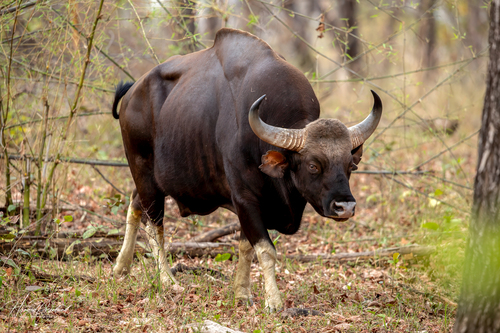
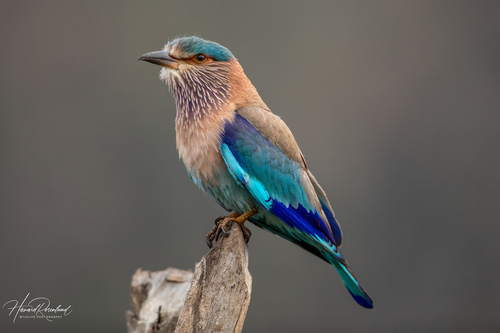
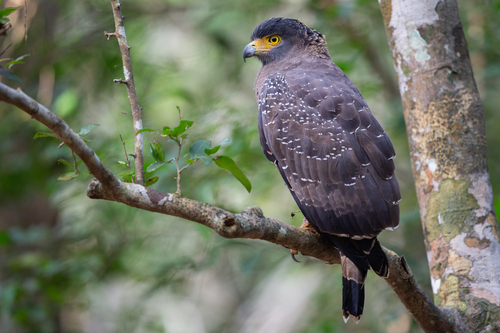
Species You Can Photograph in Pench National Park
Best season guide
Peak photography conditions typically align with Mar–Nov. Add buffer days for weather and park closures.
JanOff-season
FebGood
MarExcellent
AprExcellent
MayExcellent
JunGood
JulOff-season
AugOff-season
SepGood
OctExcellent
NovExcellent
DecGood
Safari Zones
Pench (Madhya Pradesh) has three core zones and several buffer zones. Turia is the busiest core gate and closest to Nagpur; Karmajhiri and Jamtara are quieter core entries. The buffer zones — Rukhad, Teliya and the Khawasa 'wolf sanctuary' area — are known for wolf and leopard sightings and stay open when core permits sell out. The core is closed July–September.
Core Zone
| Zone | Entry gate |
|---|---|
| Turia | Turia Gate |
| Karmajhiri | Karmajhiri Gate |
| Jamtara | Jamtara Gate |
Buffer Zone
| Zone | Entry gate |
|---|---|
| Rukhad | Rukhad Gate |
| Teliya | Teliya Gate |
| Khawasa (Wolf Sanctuary) | Khawasa Gate |
How to Reach
- Nearest airport
- Nagpur (Dr. Babasaheb Ambedkar) Airport (~90 km)
- Nearest railway station
- Nagpur Junction (~95 km)
By Air
Nagpur (Dr. Babasaheb Ambedkar) Airport is the nearest airport, about 90 km away. Continue by taxi or pre-booked cab.
By Rail
Nagpur Junction is the nearest railway station, about 95 km away, with Seoni (~60 km) as a smaller station. Taxis and autos cover the last stretch.
By Road
Turia gate is about 90 km (~2 hours) from Nagpur on NH44 via Khawasa, and ~60 km from Seoni. Karmajhiri and Jamtara gates are on the Seoni side of the park.
Expert Wildlife Creators in Pench National Park
No one's claimed this park yet
Be the first expert here — if you're a wildlife photographer or guide who knows Pench National Park, join as a creator.
Available trips
No listed trips here yet
No trips are currently targeting Pench National Park. Browse every active trip, or message a local creator directly to ask about planning one.
Recent Wildlife Sightings
Seen wildlife here? Be the first to report it
No field reports have been logged for Pench National Park yet. If you're a wildlife creator, log what you've seen here — or browse sightings from other destinations.
Photography tips for Pench National Park
Reach the gate before opening light; many species move along edges of forest, meadows, or water at dawn. Use a long lens with a bean bag or gimbal head on shared vehicles, and keep spare batteries warm in cold destinations like high Himalaya.
Respect buffer zones and guide instructions — ethical positioning keeps stress off animals and often yields cleaner frames. Review your images in the field to adjust exposure for harsh midday sun versus misty mornings typical of Madhya Pradesh.
More in Madhya Pradesh
- Bandhavgarh National Park
- Bhoj Wetland (Upper Lake, Bhopal)
- Chambal River
- Dinosaur Fossils National Park (Dhar)
- Fossil National Park (Mandla)
- Kanha National Park
- Ken Gharial Sanctuary
- Madhav National Park
- Nauradehi Wildlife Sanctuary
- Noradehi Wildlife Sanctuary
- Panna National Park
- Ratapani Wildlife Sanctuary
- Sanjay National Park
- Satpura National Park
- Sirpur Wetland
- Son Gharial Sanctuary
- Van Vihar National Park
- Yashwant Sagar