Panthera pardus
Indian Leopard
MammalBest Season: Jan–Dec
Best locations
6
Expert creators
2
Field Reports (12 months)
1
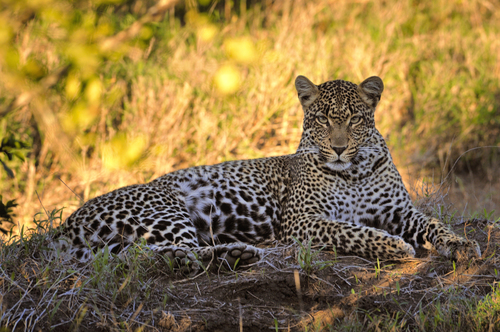
(c) janaohrner, some rights reserved (CC BY-NC), uploaded by janaohrner
About this species
The Indian Leopard is one of the most adaptable big cats, thriving in forests, scrublands, and even urban fringes. Jhalana in Jaipur, Bera in Rajasthan, and parts of the Western Ghats offer excellent sighting opportunities. Their solitary and nocturnal nature makes every encounter a thrilling experience for wildlife photographers. Discover Indian Leopard habitats across India. Best reserves, sighting tips, and photography workshops in Jhalana, Bera, and Kabini.
Behavior
Solitary and highly adaptable, more strictly nocturnal where persecuted but bold and active by day in well-protected landscapes such as the granite hills of Jawai. Excellent climber, often resting in trees or on exposed rock outcrops.
Diet
A true generalist — deer, monkeys, domestic dogs, rodents, and birds are all taken depending on what's locally available.
Field Reports
1 total report
- Activity
- Vehicle safari
- Light / weather
- Low light (dawn/dusk/night)
- Encounter distance
- Mid range
- Confidence
- Definite sighting
Context tags
Early morningLate afternoonOpen habitat
Best locations for Indian Leopard
Reserves and landscapes where our photographers reliably encounter this species, with links to place-specific guides.
MaharashtraSanjay Gandhi National Park
0 creators here
OdishaChandaka-Dampara Wildlife Sanctuary
0 creators here
West BengalChapramari Wildlife Sanctuary
0 creators here
OdishaKarlapat Wildlife Sanctuary
0 creators here
UttarakhandRajaji Tiger Reserve
1 creator here
PunjabTakhni-Rehampur Wildlife Sanctuary
0 creators here
Wildlife Creators Specialising in Indian Leopard
View all
Birding
Amit Kushwaha
Uttar Pradesh, India
Wildlife photographer with 3+ years of experience focused primarily on bird photography and Indian wildlife. I regularly shoot in bird hides, sanctuaries, and safaris, with a strong interest in capturing behavior, motion, and natural storytelling. My work combines patience, fieldcraft, and technical precision to create immersive wildlife visuals that inspire people to connect with nature and conservation.
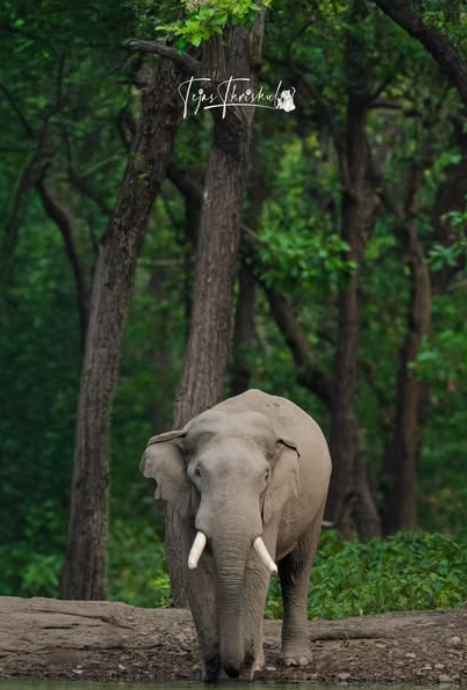
Asian ElephantBar-Headed GooseGreater Flameback Woodpecker
Safari Guide
Veeru Negi
Uttarakhand, India
Veeru Negi is a naturalist based in Rajaji National Park with over 10 years of experience in the field. Known for his deep expertise in leopard and elephant behaviour, he leads jungle safaris, leopard photography tours, and bird photography tours, helping guests spot and understand wildlife that's often hard to find on your own.
Indian LeopardAsian ElephantBengal Tiger
Upcoming Trips Targeting Indian Leopard
No trips targeting this species yet
No trips are currently built around Indian Leopard. Browse every active trip, or ask a guide directly through search.
When and Where to Photograph Indian Leopard
Rocky outcrops and forest edges at dawn and dusk are the most productive search areas. At Jawai's granite hills, leopards often rest in the open on sun-warmed rock in early morning, in full view of a slow-moving vehicle.
Plan field days around Jan–Dec: light is often strongest at dawn and dusk, when many mammals and birds are most active. Work with a naturalist who knows local movement patterns — they will position you ethically while improving your odds of a encounter in Sanjay Gandhi National Park.