About this location
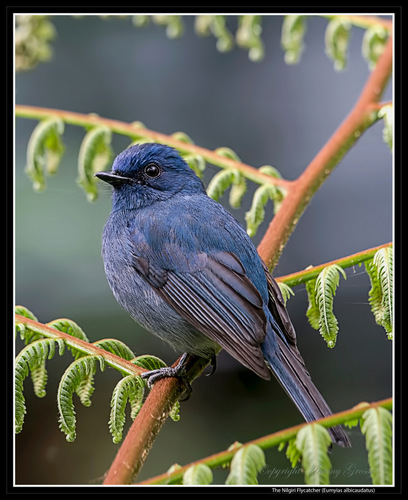
A UNESCO World Heritage Site protecting the Western Ghats Kudremukh massif and its extraordinarily biodiverse shola-grassland ecosystem. Among the finest places in India for endemic Western Ghats birds including the Indian pitta, Malabar trogon, and Nilgiri flycatcher.
Species You Can Photograph in Kudremukh National Park
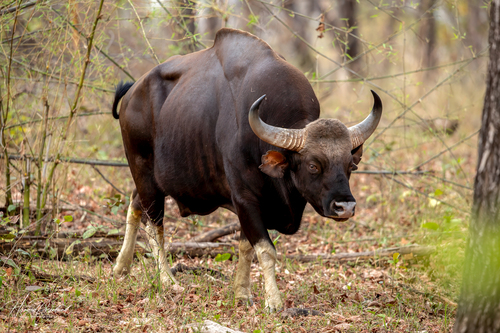
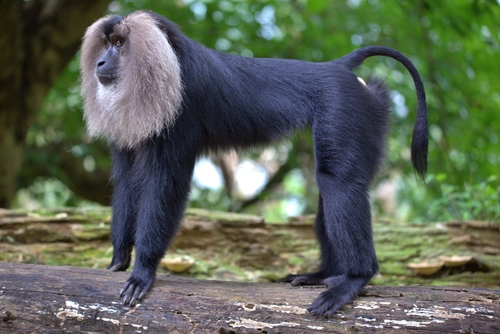
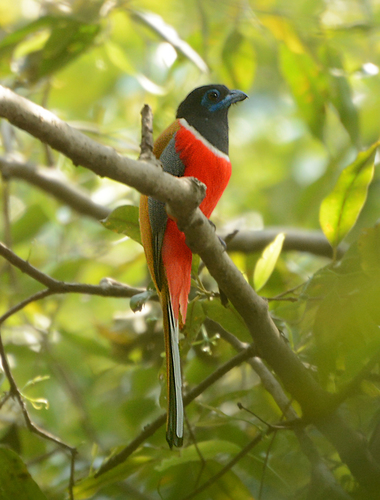
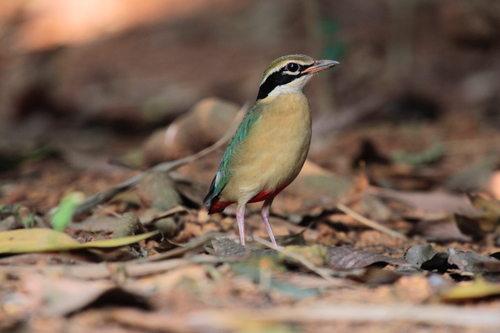
Best season guide
Peak photography conditions typically align with Jan–Dec. Add buffer days for weather and park closures.
How to Reach
- Nearest airport
- Mangaluru International Airport (~100 km)
- Nearest railway station
- Mangaluru Central (~100 km)
By Air
Mangaluru International Airport is the nearest airport, about 100 km away. Continue by taxi or pre-booked cab.
By Rail
Mangaluru Central is the nearest railway station, about 100 km away, with Udupi (~80 km) as an alternative. Taxis and autos cover the last stretch.
By Road
Kudremukh is reached via Karkala (~50 km) or Kalasa (~20 km). The Kudremukh peak trek starts near Mullodi and must be booked in advance through the Karnataka forest department's online trek portal.
Expert Wildlife Creators in Kudremukh National Park
No one's claimed this park yet
Be the first expert here — if you're a wildlife photographer or guide who knows Kudremukh National Park, join as a creator.
Available trips
No listed trips here yet
No trips are currently targeting Kudremukh National Park. Browse every active trip, or message a local creator directly to ask about planning one.
Recent Wildlife Sightings
Seen wildlife here? Be the first to report it
No field reports have been logged for Kudremukh National Park yet. If you're a wildlife creator, log what you've seen here — or browse sightings from other destinations.
Photography tips for Kudremukh National Park
Reach the gate before opening light; many species move along edges of forest, meadows, or water at dawn. Use a long lens with a bean bag or gimbal head on shared vehicles, and keep spare batteries warm in cold destinations like high Himalaya.
Respect buffer zones and guide instructions — ethical positioning keeps stress off animals and often yields cleaner frames. Review your images in the field to adjust exposure for harsh midday sun versus misty mornings typical of Karnataka.
More in Karnataka
- Anshi (Kali) National Park
- Bandipur National Park
- Bannerghatta National Park
- Bhadra Wildlife Sanctuary
- Biligiri Rangaswamy Temple Tiger Reserve
- Brahmagiri Wildlife Sanctuary
- Cauvery Wildlife Sanctuary
- Dandeli Wildlife Sanctuary
- Daroji Sloth Bear Sanctuary
- Gudavi Bird Sanctuary
- Jayamangali Blackbuck Reserve
- Kokkrebellur Pelicanry
- Mookambika Wildlife Sanctuary
- Nagarhole (Rajiv Gandhi) National Park
- Ranganathittu Bird Sanctuary
- Sharavathi Valley Wildlife Sanctuary
- Someshwara Wildlife Sanctuary
- Talacauvery Wildlife Sanctuary