Trip Finder
Plan your trip to Hemis National Park
Estimated sighting chances, the zones to book, month-by-month closures and indicative costs for what you want to see here.
* Estimated chance per safari, based on reported animal density and sighting reports — not an official Forest Department figure. Prices are indicative ranges.
About this location
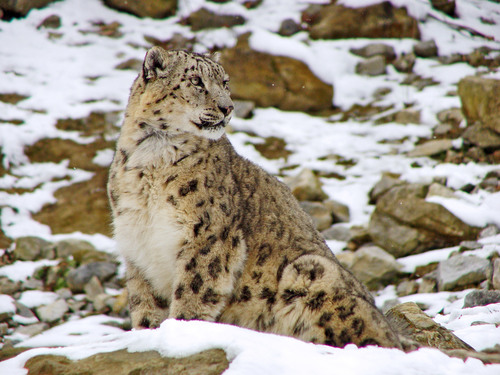
The largest national park in India and the world's premier snow leopard photography destination. Hemis's vast trans-Himalayan cold desert at 3,500–6,000m offers extraordinary winter expeditions tracking snow leopards across dramatic Ladakhi landscapes of rock, ice, and ancient monasteries.
Species You Can Photograph in Hemis National Park
Best season guide
Peak photography conditions typically align with Jan–Dec. Add buffer days for weather and park closures.
JanExcellent
FebExcellent
MarExcellent
AprGood
MayOff-season
JunOff-season
JulOff-season
AugOff-season
SepOff-season
OctOff-season
NovGood
DecExcellent
Safari Zones
Hemis is explored on foot, not by vehicle. Checkposts at each entrance regulate access, and beyond them only villagers' vehicles are allowed. Zingchen is the gateway to the Rumbak valley, the classic winter snow-leopard base; Chilling leads into the Markha valley trek; Shang Sumdo is the eastern approach.
Entry checkpost
| Zone | Entry gate |
|---|---|
| Rumbak Valley | Zingchen |
| Markha Valley | Chilling |
| Shang Valley | Shang Sumdo |
How to Reach
- Nearest airport
- Kushok Bakula Rimpochee Airport, Leh (~20 km)
- Nearest railway station
- None — Ladakh has no railway
By Air
Kushok Bakula Rimpochee Airport, Leh is the nearest airport, about 20 km away. Continue by taxi or pre-booked cab.
By Rail
There is no railway in Ladakh. The nearest railheads are Jammu Tawi or Pathankot, more than 700 km away by road.
By Road
Zingchen, the main roadhead, is about 20 km from Leh. The Manali–Leh and Srinagar–Leh highways are open roughly May/June to October; in winter Leh is reachable only by air. Motorised tourist vehicles are not allowed beyond the park's checkposts.
Expert Wildlife Creators in Hemis National Park
No one's claimed this park yet
Be the first expert here — if you're a wildlife photographer or guide who knows Hemis National Park, join as a creator.
Available trips
No listed trips here yet
No trips are currently targeting Hemis National Park. Browse every active trip, or message a local creator directly to ask about planning one.
Recent Wildlife Sightings
Seen wildlife here? Be the first to report it
No field reports have been logged for Hemis National Park yet. If you're a wildlife creator, log what you've seen here — or browse sightings from other destinations.
Photography tips for Hemis National Park
Reach the gate before opening light; many species move along edges of forest, meadows, or water at dawn. Use a long lens with a bean bag or gimbal head on shared vehicles, and keep spare batteries warm in cold destinations like high Himalaya.
Respect buffer zones and guide instructions — ethical positioning keeps stress off animals and often yields cleaner frames. Review your images in the field to adjust exposure for harsh midday sun versus misty mornings typical of Ladakh.
Species guides