Gyps indicus
Indian Vulture
Best locations
6
Expert creators
0
Field Reports (12 months)
1
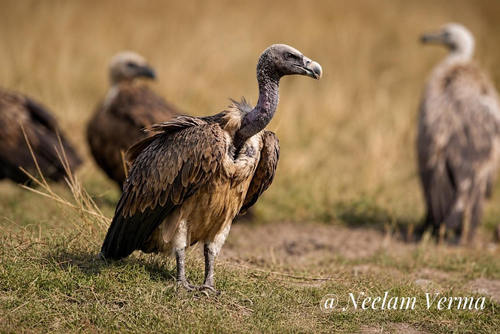
(c) Neelam Verma, some rights reserved (CC BY-NC), uploaded by Neelam Verma
About this species
The Indian Vulture is a cliff-nesting species endemic to the Indian subcontinent, now critically endangered following the diclofenac crisis. It breeds on rocky escarpments and feeds communally at carcasses. Jorbeer near Bikaner is India's most reliable vulture watching site, hosting thousands of vultures in winter. Watch Indian Vultures at Jorbeer and Ranthambore. Critically endangered endemic — vulture watching guide and best winter locations.
Field Reports
1 total report
- Activity
- Vehicle safari
- Light / weather
- Low light (dawn/dusk/night)
- Encounter distance
- Mid range
- Confidence
- Definite sighting
Context tags
Early morningLate afternoonOpen habitat
Best locations for Indian Vulture
Reserves and landscapes where our photographers reliably encounter this species, with links to place-specific guides.
Wildlife Creators Specialising in Indian Vulture
View allNo one's claimed this species yet
Be the first expert here — if you're a wildlife photographer or guide who specialises in Indian Vulture, join as a creator.
Upcoming Trips Targeting Indian Vulture
No trips targeting this species yet
No trips are currently built around Indian Vulture. Browse every active trip, or ask a guide directly through search.
When and Where to Photograph Indian Vulture
The Indian Vulture is a cliff-nesting species endemic to the Indian subcontinent, now critically endangered following the diclofenac crisis. It breeds on rocky escarpments and feeds communally at carcasses. Jorbeer near Bikaner is India's most reliable vulture watching site, hosting thousands of vultures in winter. Watch Indian Vultures at Jorbeer and Ranthambore. Critically endangered endemic — vulture watching guide and best winter locations.
Plan field days around Jan–Dec: light is often strongest at dawn and dusk, when many mammals and birds are most active. Work with a naturalist who knows local movement patterns — they will position you ethically while improving your odds of a encounter in Ranthambore National Park.