About this location
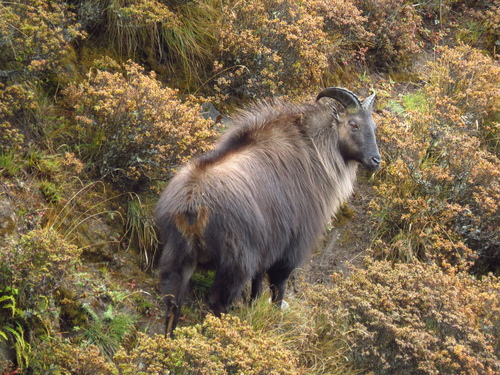
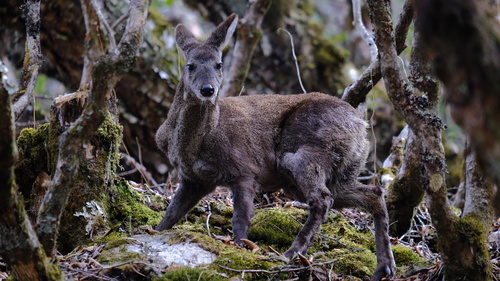
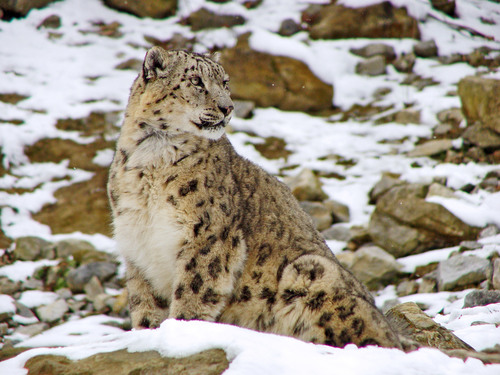
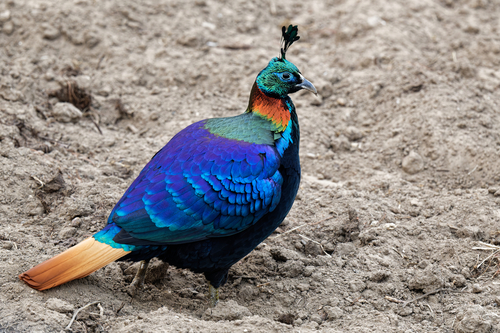
A UNESCO World Heritage Site protecting the Nanda Devi biosphere reserve and India's second-highest peak. The inner sanctuary is closed to visitors, but the outer zone around Lata and Reni villages offers extraordinary Himalayan scenery and bharal, tahr, and Himalayan snowcock photography.
Species You Can Photograph in Nanda Devi National Park
Best season guide
Peak photography conditions typically align with May–Sep. Add buffer days for weather and park closures.
JanOff-season
FebOff-season
MarOff-season
AprGood
MayExcellent
JunExcellent
JulExcellent
AugExcellent
SepExcellent
OctGood
NovOff-season
DecOff-season
How to Reach
- Nearest airport
- Dehradun (Jolly Grant) Airport (~290 km)
- Nearest railway station
- Rishikesh (~270 km)
By Air
Dehradun (Jolly Grant) Airport is the nearest airport, about 290 km away. Continue by taxi or pre-booked cab.
By Rail
Rishikesh is the nearest railway station, about 270 km away. Taxis and autos cover the last stretch.
By Road
Lata village, the traditional gateway, is about 25 km from Joshimath. The core sanctuary has been closed to tourism since 1983; only limited treks in the buffer area are permitted with forest-department approval.
Expert Wildlife Creators in Nanda Devi National Park
Mammals
Girish Chandra Satyawali
Uttarakhand, India
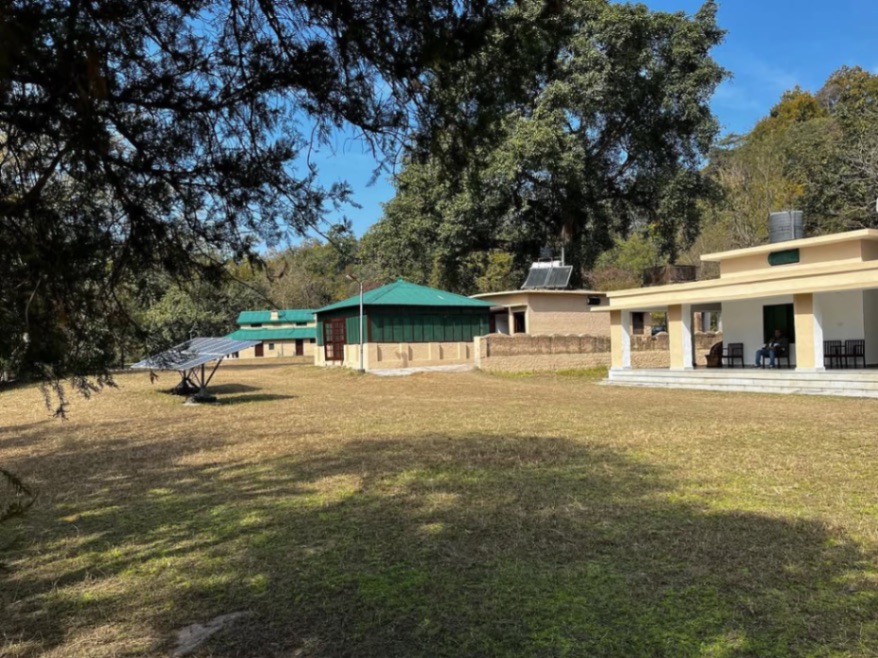
CORBETT TIGER RESERVE Safari & FRH Tour Operator | Registered Gypsy Owner Based in Ramnagar, Uttarakhand, with 47 years of experience in Corbett National Park and its wildlife tourism. Focused exclusively on Safari, FRH stays & the Wild, with registered Gypsies, well-mannered drivers and knowledgeable motorist/naturalist guides. No private properties. No resort packages. Just the Wild.
Asian ElephantAsian Paradise FlycatcherGharial
Safari Guide
Veeru Negi
Uttarakhand, India
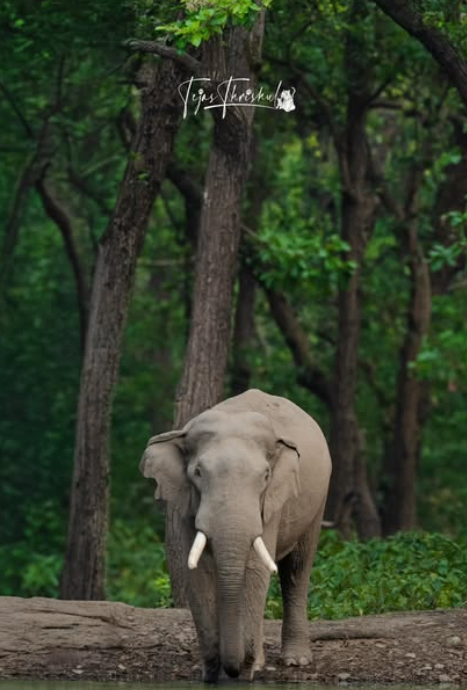
Veeru Negi is a naturalist based in Rajaji National Park with over 10 years of experience in the field. Known for his deep expertise in leopard and elephant behaviour, he leads jungle safaris, leopard photography tours, and bird photography tours, helping guests spot and understand wildlife that's often hard to find on your own.
Indian LeopardAsian ElephantBengal Tiger
Available trips
No listed trips here yet
No trips are currently targeting Nanda Devi National Park. Browse every active trip, or message a local creator directly to ask about planning one.
Recent Wildlife Sightings
Seen wildlife here? Be the first to report it
No field reports have been logged for Nanda Devi National Park yet. If you're a wildlife creator, log what you've seen here — or browse sightings from other destinations.
Photography tips for Nanda Devi National Park
Reach the gate before opening light; many species move along edges of forest, meadows, or water at dawn. Use a long lens with a bean bag or gimbal head on shared vehicles, and keep spare batteries warm in cold destinations like high Himalaya.
Respect buffer zones and guide instructions — ethical positioning keeps stress off animals and often yields cleaner frames. Review your images in the field to adjust exposure for harsh midday sun versus misty mornings typical of Uttarakhand.
More in Uttarakhand
- Asan Conservation Reserve
- Askot Wildlife Sanctuary
- Binsar Wildlife Sanctuary
- Corbett Tiger Reserve
- Gangotri National Park
- Govind Pashu Vihar Wildlife Sanctuary
- Jim Corbett National Park
- Kedarnath Wildlife Sanctuary
- Rajaji National Park
- Rajaji Tiger Reserve
- Sattal
- Sonanadi Wildlife Sanctuary
- Valley of Flowers National Park