About this location
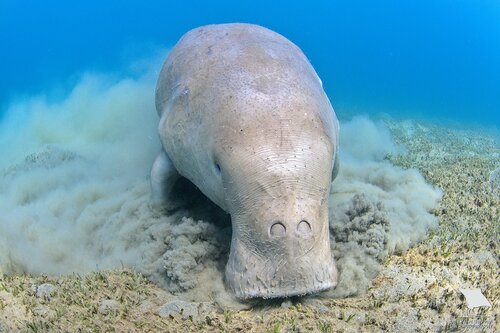
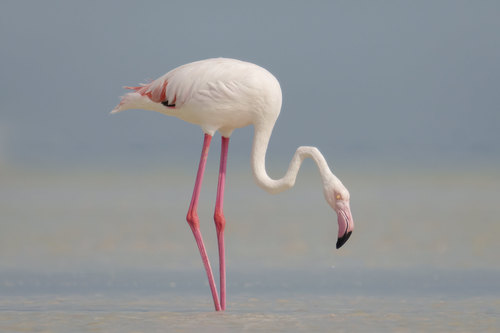
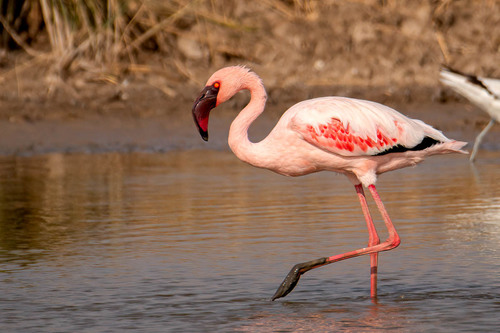
India's first marine national park, protecting spectacular coral reefs and marine biodiversity in the Gulf of Kutch. Dugongs, sea turtles, and dolphins inhabit the clear waters, while the flamingo flats at Pirotan Island are an iconic Gujarat wildlife image.
Species You Can Photograph in Gulf of Kachchh Marine National Park
Best season guide
Peak photography conditions typically align with Jan–Dec. Add buffer days for weather and park closures.
How to Reach
- Nearest airport
- Jamnagar Airport (~60 km)
- Nearest railway station
- Jamnagar (~55 km)
By Air
Jamnagar Airport is the nearest airport, about 60 km away. Continue by taxi or pre-booked cab.
By Rail
Jamnagar is the nearest railway station, about 55 km away. Taxis and autos cover the last stretch.
By Road
Narara, the main reef-walk site, is near Vadinar about 60 km from Jamnagar; walks are only possible at low tide, so check tide timings and take a forest-department guide. Pirotan island needs special permission and a boat from Bedi port.
Expert Wildlife Creators in Gulf of Kachchh Marine National Park
No one's claimed this park yet
Be the first expert here — if you're a wildlife photographer or guide who knows Gulf of Kachchh Marine National Park, join as a creator.
Available trips
No listed trips here yet
No trips are currently targeting Gulf of Kachchh Marine National Park. Browse every active trip, or message a local creator directly to ask about planning one.
Recent Wildlife Sightings
Seen wildlife here? Be the first to report it
No field reports have been logged for Gulf of Kachchh Marine National Park yet. If you're a wildlife creator, log what you've seen here — or browse sightings from other destinations.
Photography tips for Gulf of Kachchh Marine National Park
Reach the gate before opening light; many species move along edges of forest, meadows, or water at dawn. Use a long lens with a bean bag or gimbal head on shared vehicles, and keep spare batteries warm in cold destinations like high Himalaya.
Respect buffer zones and guide instructions — ethical positioning keeps stress off animals and often yields cleaner frames. Review your images in the field to adjust exposure for harsh midday sun versus misty mornings typical of Gujarat.
More in Gujarat
Species guides