About this location
The highest peak in Mizoram at 2,157m, Phawngpui's rolling high-altitude grasslands and montane forest shelter the rare Hume's pheasant and Mrs. Hume's pheasant alongside spectacular Himalayan landscape views. A must for high-altitude birding photography in northeast India.
Species You Can Photograph in Phawngpui (Blue Mountain) National Park
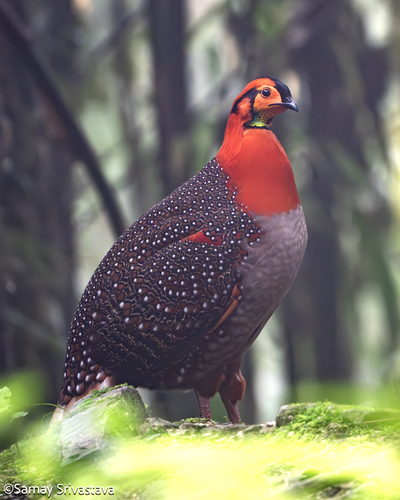
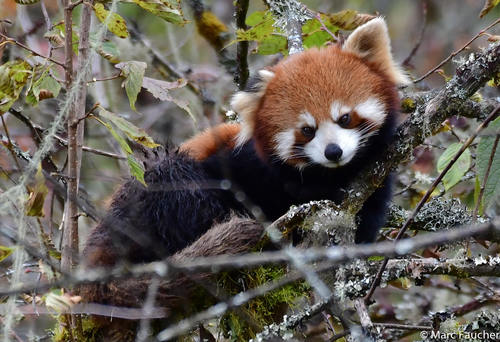
Best season guide
Peak photography conditions typically align with Jan–Dec. Add buffer days for weather and park closures.
Expert Wildlife Creators in Phawngpui (Blue Mountain) National Park
No one's claimed this park yet
Be the first expert here — if you're a wildlife photographer or guide who knows Phawngpui (Blue Mountain) National Park, join as a creator.
Available trips
No listed trips here yet
No trips are currently targeting Phawngpui (Blue Mountain) National Park. Browse every active trip, or message a local creator directly to ask about planning one.
Recent Wildlife Sightings
Seen wildlife here? Be the first to report it
No field reports have been logged for Phawngpui (Blue Mountain) National Park yet. If you're a wildlife creator, log what you've seen here — or browse sightings from other destinations.
Photography tips for Phawngpui (Blue Mountain) National Park
Reach the gate before opening light; many species move along edges of forest, meadows, or water at dawn. Use a long lens with a bean bag or gimbal head on shared vehicles, and keep spare batteries warm in cold destinations like high Himalaya.
Respect buffer zones and guide instructions — ethical positioning keeps stress off animals and often yields cleaner frames. Review your images in the field to adjust exposure for harsh midday sun versus misty mornings typical of Mizoram.
More in Mizoram
Species guides